This page features original analysis by Friends of Socialist China co-editors and guest contributors.
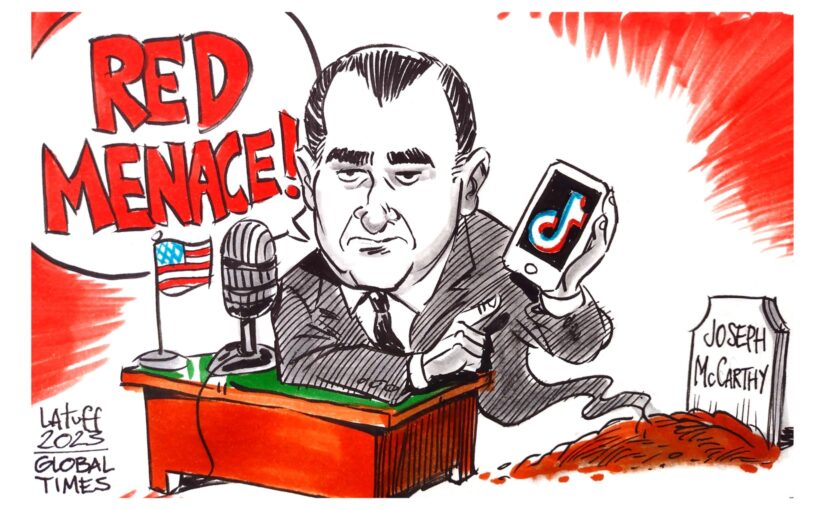
A new McCarthyism on both sides of the Atlantic
Two stories eight days apart, both from London newspapers, both pushing a McCarthyite agenda – one aimed at Britain, one at the United States. The Telegraph announced that “China is funding pro-Palestine marches in UK”. The Times reported that members of the Democratic Socialists of America had signed a public

The antibiotics crisis and the case for socialism
Ara Darzi – surgeon, Labour peer and author of the 2024 review of the NHS – has written in the Financial Times that the West has handed China “the keys to the medicine cabinet”, warning of the “peacetime weaponisation” of pharmaceutical supply chains. China supplies around 94 percent of the

Study shows Belt and Road Initiative cuts debt and corruption
A team at Nanjing University’s Centre for Asia-Pacific Development Studies has published what appears to be the most comprehensive statistical test yet attempted of the “debt trap diplomacy” thesis – examining 197 countries and regions over 2000 to 2023, including the 146 that have signed Belt and Road cooperation agreements.

China’s poverty alleviation: lessons to study and obstacles to global poverty reduction
Concluding his series of articles on his recent visit to China at the invitation of the International Department of the Communist Party of China (IDCPC), David Peat, Secretary of Friends of Socialist China Britain Committee, was requested to write a paper on the topic of China’s poverty reduction, and its

Holding the line: Jiang Zemin at 100
Monday 17 August marks the centenary of the birth of Jiang Zemin, General Secretary of the Communist Party of China from 1989 to 2002 and President of the country from 1993 to 2003 – the leader of the People’s Republic whom much of the Western left finds it easiest to