We are pleased to republish this thought-provoking piece in Midwestern Marx by Carlos L Garrido, on the philosophical underpinnings of Reform and Opening Up and of the left critique of it often found in the Western left.
Continue reading Carlos Garrido: Why Western Marxism misunderstands China’s use of marketsAuthor: Friends of Socialist China
China rejects capitalist democracy and continues to develop its socialist democracy
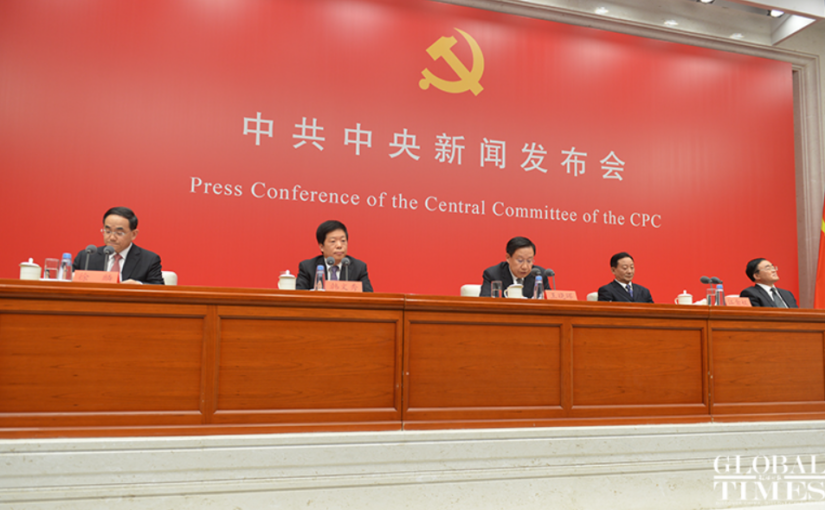
This article in the Global Times quotes Jiang Jinquan, director of the Policy Research Office of the Communist Party of China (CPC) Central Committee, discussing the question of democracy at a press conference on the sixth plenary session of the 19th Central Committee of the CPC. He observed the weaknesses and limitations of Western capitalist democracy and noted the hypocrisy of attempting to impose this model on other countries via colour revolutions. Jiang Jinquan affirmed that China will continue to develop its own whole-process people’s democracy rather than attempting to copy the Western model.
The US’ democracy summit convened next month with the attempt to “revive” Western democracy amid mounting democratic problems in their countries is a huge irony, as its purpose is simply to suppress other countries and divide the world into different camps, a senior Chinese official said on Friday.
Jiang Jinquan,director of the Policy Research Office of the Communist Party of China (CPC) Central Committee, made the remarks at Friday’s press conference on the sixth plenary session of the 19th Central Committee of the Communist Party of China (CPC).
Continue reading China rejects capitalist democracy and continues to develop its socialist democracy
China offers solutions to climate change
We’re pleased to republish this article by KJ Noh and Michael Wong, originally published in Asia Times on 12 November 2021, detailing the remarkable progress China has been making in decarbonising its economy.
The Earth’s greenhouse-gas (GHG) concentrations are driving catastrophic climate change, and creating an existential threat to the planet. But there is a way out.
Last year, President Xi Jinping pledged that China’s carbon-dioxide emissions would peak before 2030, and that the country would become carbon-neutral before 2060.
China has a history of setting ambitious, nearly impossible goals and then achieving them –often before deadline – so this pledge is significant.
Continue reading China offers solutions to climate change
Taiwan – flashpoint for war with China
We republish here an important article by Simon Korner providing background to the increasingly tense situation in the Taiwan Straits. It was originally published on the Facebook page of the Socialist Correspondent. Noting that Taiwan has currently become the most dangerous flashpoint for a possible new world war, the article exposes the dangerous and duplicitous actions of US imperialism and explains how the reunification of Taiwan with the mainland represents the unfinished business of the more than century long Chinese revolution.
This year has seen a significant rise in tensions over Taiwan. It is now the most dangerous flashpoint for world war of all the potential conflict zones.
It is the US which is deliberately escalating the aggression as it faces the rapid economic growth of China, whose GDP is set to lead the world by 2035.
The US has made it clear that it will never allow another power to share its pre-eminent global position. The American government’s 2017 National Security Strategy stated that China poses a threat to “American power, influence, and interests, attempting to erode American security and prosperity”. Mike Pompeo put it more bluntly when he said that nations have to “pick a side” (July 23, 2020), a view echoed by President Biden: “We are in a competition to win the 21st century, and the starting gun has gone off,” he said (Sydney Morning Herald, 9 June, 2021).
Continue reading Taiwan – flashpoint for war with China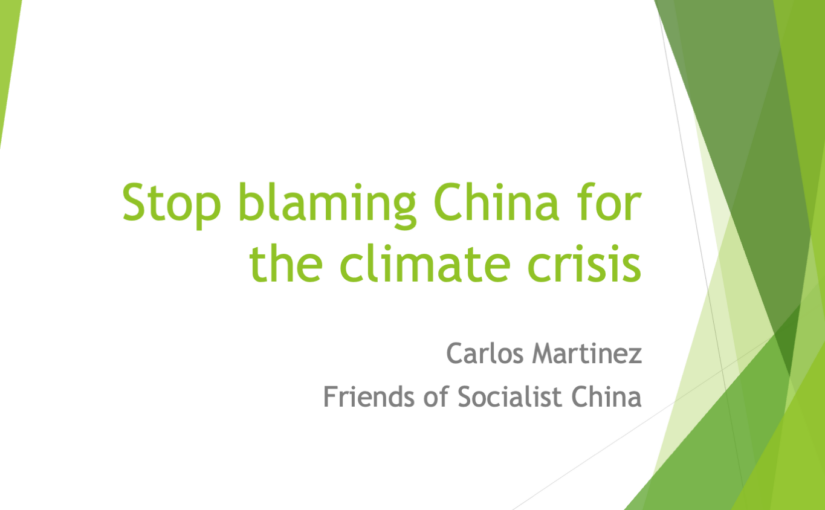
Video explainer: Stop blaming China for the climate crisis
📺 In this brief presentation, Carlos Martinez gives a comprehensive explanation of why the US and its allies’ attempts to push responsibility for the climate crisis onto China are hypocritical and ridiculous, and why cooperation on climate change is essential.
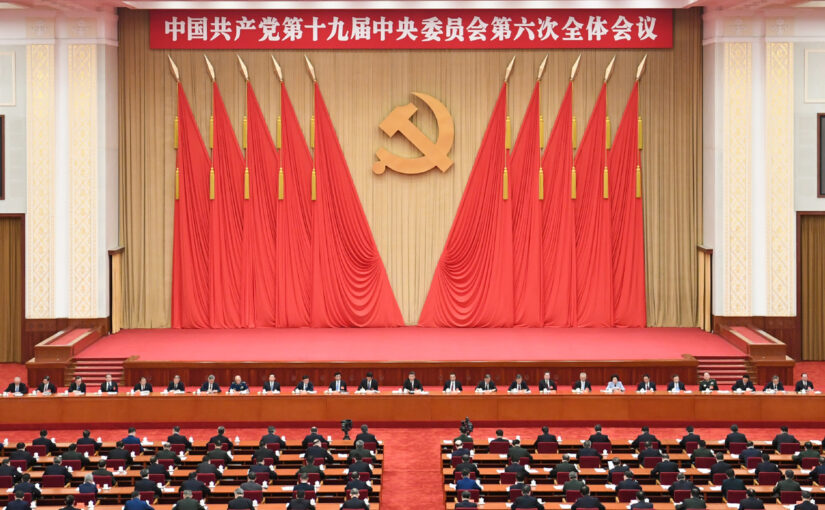
Communiqué of the Sixth Plenary Session of the 19th Central Committee of the Communist Party of China
This communiqué, first published in English by Global Times on 11 November, provides a detailed and insightful summary of the proceedings of the Sixth Plenary Session of the 19th Central Committee of the Communist Party of China, which took place in Beijing from 8 to 11 November 2021.
At this plenary session, the CPC Central Committee reviewed the work of the Political Bureau, and adopted the Resolution on the Major Achievements and Historical Experience of the Party over the Past Century – the first major resolution assessing the party’s history since the Resolution on certain questions in the history of our party since the founding of the People’s Republic of China, adopted some 40 years ago.
The communiqué sums up the experiences and achievements of the CPC in the hundred years since its founding, and outlines the party’s tasks for the coming period. It strongly reaffirms the path of Socialism with Chinese Characteristics and the CPC’s adherence to Marxism and historical materialism, reiterating that “only socialism can save China” and that China’s revolution and socialist construction constituted “the most extensive and profound social change in the history of the Chinese nation.”
Assessing and positively appraising the contributions of each previous generation of leadership of the People’s Republic of China (that of Mao Zedong, Deng Xiaoping, Jiang Zemin, Hu Jintao), the communiqué clarifies that the strategies and ideas of the current leadership – with Xi Jinping at its core – constitute an important new phase in the development of Chinese socialism. At the 18th National Congress of the CPC in 2012, Comrade Xi set out the Two Centenaries: to achieve a moderately well-off (xiaokang) society by the centenary of the CPC in 2021; and to develop China into a “strong, democratic, civilized, harmonious, and modern socialist country” by the centenary of the founding of the PRC in 2049. With the completion of the project to eradicate extreme poverty in late 2020, the first centenary goal has been met. The CPC is now moving steadily towards the second centenary goal.
Xi Jinping Thought on Socialism with Chinese Characteristics for a New Era emphasizes green, sustainable, high-quality development; common prosperity; whole-process people’s democracy; resolutely safeguarding China’s sovereignty; and an ever-deeper integration and solidarity with the developing world. It demands a firm commitment on the part of party members to serving the people, and takes a zero-tolerance approach to corruption. The communiqué confirms that these concepts will continue to guide China’s development in the decades to come.
Adopted at the Sixth Plenary Session of the 19th Central Committee of the Communist Party of China on November 11, 2021
The 19th Central Committee of the Communist Party of China convened its sixth plenary session in Beijing from November 8 to 11, 2021.
A total of 197 members and 151 alternate members of the Central Committee attended the session. Members of the Standing Committee of the Central Commission for Discipline Inspection and leading officials of other relevant departments were present at the meeting in a non-voting capacity. Some of the colleagues working at the primary level who were delegates to the 19th National Party Congress, along with a number of experts and scholars, also attended the meeting in a non-voting capacity.
Continue reading Communiqué of the Sixth Plenary Session of the 19th Central Committee of the Communist Party of China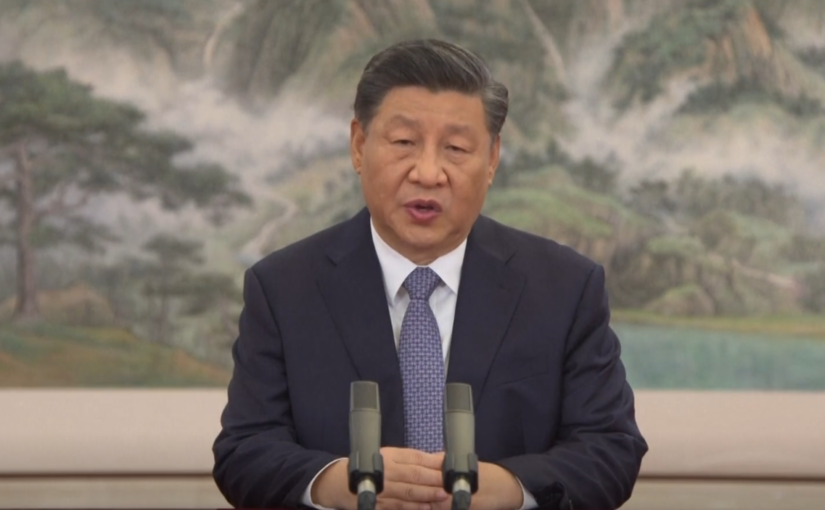
Xi Jinping calls for global cooperation on climate change and warns against Cold War
In this important speech at the Asia-Pacific Economic Cooperation (APEC) CEO Summit, Chinese President Xi Jinping calls for a coordinated global effort to suppress the pandemic, to tackle climate change, and to prevent a New Cold War.
Xi reiterates his oft-stated belief that vaccines must be a global public good, and urges countries to work together to ensure fair and equitable distribution, with particular attention to developing countries. Speaking on the need for a comprehensive low-carbon transition, he points out that this will be impossible without simultaneously pursuing development and improving the living standards of those that currently live in poverty.
He notes that humanity’s major challenges cannot be solved in the context of a New Cold War, and warns against any attempts to divide the world on ideological lines or to break with the principles of multilateralism and respect for sovereign development, stating that “the Asia-Pacific region cannot and should not relapse into the confrontation and division of the Cold War era.”
Leaders of the Business Community,
Ladies and Gentlemen,
Dear Friends,
I am very glad to meet you again. At present, COVID-19 is still ravaging the world, and the journey to global economic recovery remains a difficult and tortuous one. The Asia-Pacific has all along been an important engine driving the global economy. Indeed, it is among the first to regain the momentum of recovery in this crisis. At this historical juncture, it is important that we in the Asia-Pacific face up to the responsibility of the times, be in the drive’s seat, and strive hard to meet the goal of building an Asia-Pacific community with a shared future.
Continue reading Xi Jinping calls for global cooperation on climate change and warns against Cold War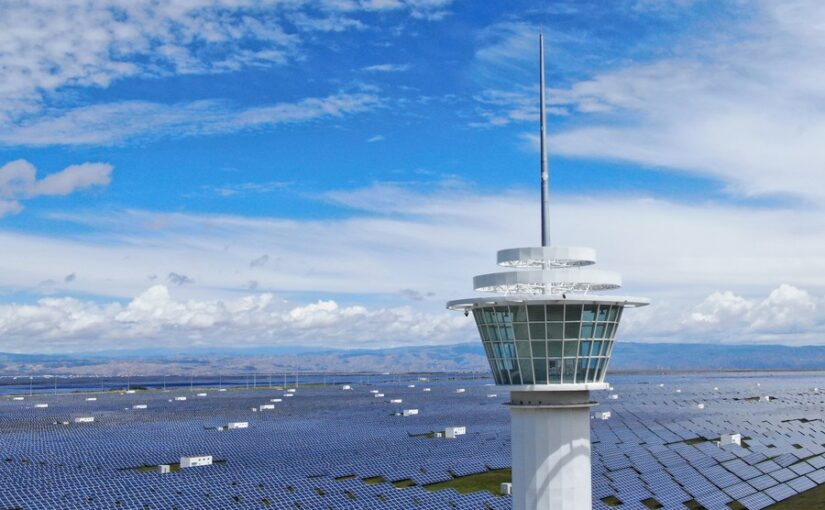
China contributes to global carbon emissions reduction
This article from Xinhua provides a handy summary of the progress China has already made in decarbonisation, as well as outlining its commitments to 2060.
— In September last year, China updated its nationally determined contribution targets which aim to have CO2 emissions peak before 2030 and achieve carbon neutrality before 2060, giving China a gap of about 30 years between the two targets. In comparison, the gap for the EU will be 71 years, the United States 43 years and Japan 37 years.
— China has translated its pledges on carbon emissions peaking and carbon dioxide neutrality into concrete actions. According to the World Bank, China has accounted for more than half of the world’s entire energy savings since 2005.
— According to a guiding document on China’s work to achieve carbon peaking and carbon neutrality goals released on Oct. 24 by the Chinese authorities, China aims to gradually increase the share of non-fossil energy consumption to around 20 percent by 2025, around 25 percent by 2030, and over 80 percent by 2060.
As the world’s largest developing country, China is striving to meet a grand goal: to peak its carbon dioxide emissions before 2030 and achieve carbon neutrality before 2060.
This ambitious target means China will complete the world’s most dramatic reduction in carbon emission intensity, and realize carbon neutrality from carbon peaking in the shortest time in global history.
Continue reading China contributes to global carbon emissions reduction
Carlos Martinez: Shifting blame onto China means the West not taking its own responsibilities seriously
We republish below an interview with Friends of Socialist China co-editor Carlos Martinez in Xinhua about the attempts by the US and its allies to shift responsibility for the climate crisis onto China. The interview was first published on 9 November 2021 in English and Chinese.
China has made remarkable progress on climate issues and will continue to do so, so the West’s shifting blame onto China just means they are not taking their own responsibilities seriously, Carlos Martinez, a British author and political commentator, told Xinhua in a recent interview.
Martinez greatly appreciated the fact that China met its target for 2020 ahead of schedule, elaborating on a wide range of progress that China has made on the environment.
Continue reading Carlos Martinez: Shifting blame onto China means the West not taking its own responsibilities seriouslyWebinar: Korea’s Struggle for Independence, Peace and Reunification
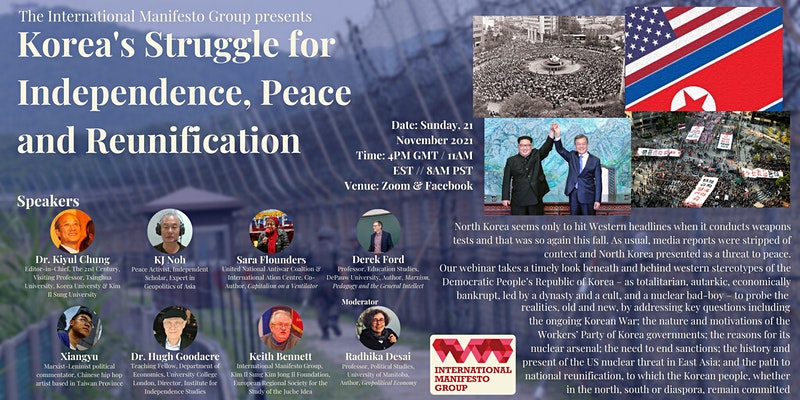
We are pleased to be co-sponsoring this International Manifesto Group webinar about Korea.
Date: Sunday 21 November 2021
Time: 11am EST, 8am PST, 4pm GMT, 5pm CET
Location: Zoom and YouTube
Registration: Eventbrite
We take a look beneath and behind western stereotypes of the Democratic People’s Republic of Korea – as totalitarian, autarkic, economically bankrupt, led by a dynasty and a cult, and a nuclear bad-boy – to probe the realities, old and new, by addressing key questions including the ongoing Korean War; the nature and motivations of the Workers’ Party of Korea governments; the reasons for its nuclear arsenal; the need to end sanctions; the history and present of the US nuclear threat in East Asia; and the path to national reunification, to which the Korean people, whether in the north, south or diaspora, remain committed.
Speakers include:
- Dr Kiyul Chung (Visiting Professor, Tsinghua University)
- KJ Noh (Peace activist and expert on the geopolitics of Asia)
- Xiangyu (Political commentator and Chinese hip-hop artist)
- Sara Flounders (United National Antiwar Coalition, peace activist and author)
- Derek R Ford (Assistant professor, DePauw University)
- Dr Hugh Goodacre (Teaching Fellow, University College London)
- Keith Bennett (Co-editor, Friends of Socialist China)
- Chair: Radhika Desai (Professor, University of Manitoba; Convenor of the International Manifesto Group)
Profile of Chinese president Xi Jinping
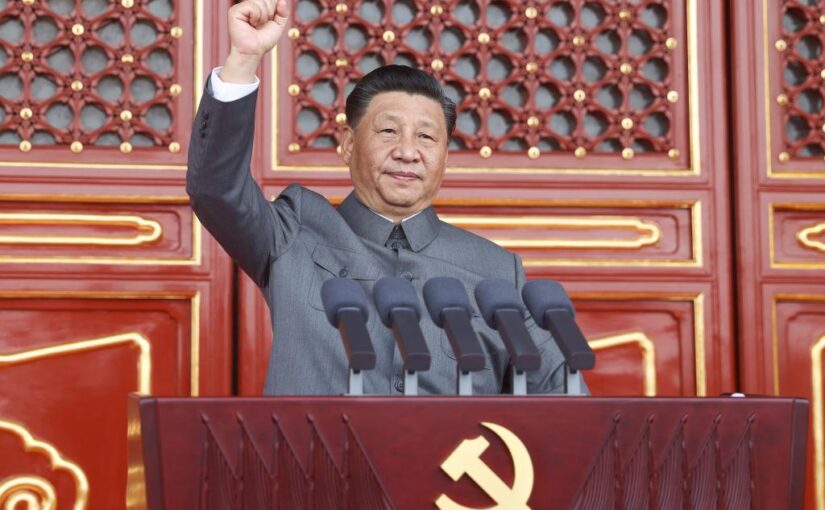
We are pleased to republish this detailed profile of Chinese president Xi Jinping, first published on 7 November 2021. The article provides some valuable biographical detail about Xi’s early life and formation as a communist, as well as detailing his central areas of focus in the nine years that he has served as president of China and general secretary of the Communist Party of China. As such, the article helps to build a picture of China’s trajectory towards becoming “a great modern socialist country that is prosperous, strong, democratic, culturally advanced, harmonious, and beautiful by the middle of the 21st century”.
Throughout 2021, a special year in China’s history, the schedule of Xi Jinping has been busy.
Over the past months, he addressed a ceremony marking the Party’s centenary, announced the realization of a moderately prosperous society in all respects, inspected Tibet, talked to astronauts working at China’s first space station, attended online meetings of the United Nations, and held phone or video talks with world leaders, including Russian President Vladimir Putin and US President Joe Biden.
Continue reading Profile of Chinese president Xi Jinping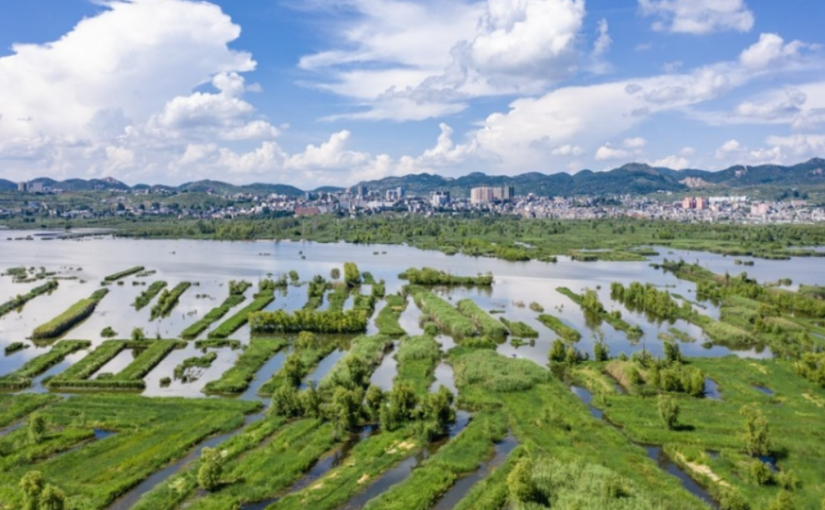
Shakeel Ahmad Ramay on the greening of the Belt and Road
This important article by Shakeel Ahmad Ramay, Chief Executive Officer of Asian Institute of Ecocivilization, Pakistan, details how China is working energetically to ‘green’ the Belt and Road Initiative, divesting from fossil fuel projects, promoting renewable energy projects, and working closely with other countries to agree standards and strategies on sustainable development. The article was first published in China Focus on 4 November 2021.
A lot has been written about the Belt and Road Initiative (BRI), but there is a dearth of literature which highlights green aspects of the BRI. China, under the leadership of President Xi Jinping, has a clear commitment to green and nature-friendly development and the BRI is the torchbearer of President Xi’s vision.
Unfortunately, this dimension is not part of any discourse. The opponents criticize China on the basis of self-assumed perceptions. They have launched smear campaigns against the BRI without understanding the new philosophy of development, President Xi’s vision of Eco-civilization and circular economy.
Continue reading Shakeel Ahmad Ramay on the greening of the Belt and Road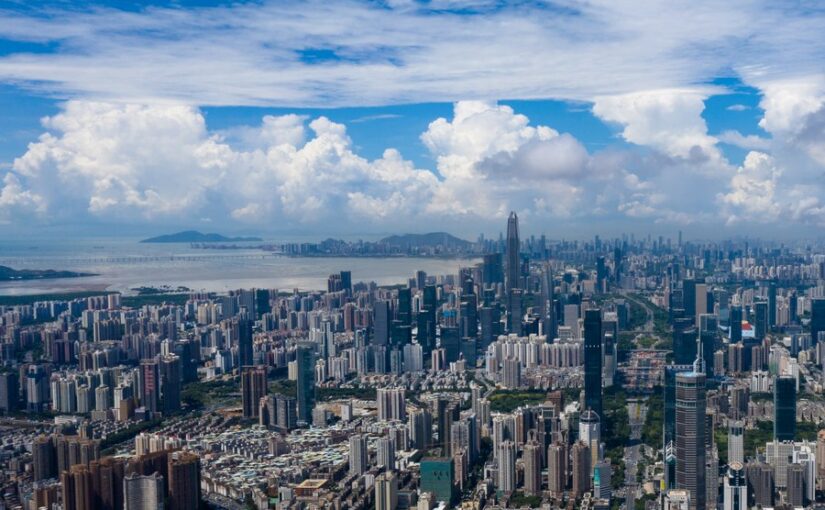
Elias Jabbour: Three great transitions in the Chinese economy
This interesting article by Brazilian economist Elias Jabbour, first published in People’s Daily on 4 November 2021, explores the various predictions by Western economists of China’s “imminent collapse” (repeated ad nauseam for at least 30 years) and seeks to explain the reasons this collapse never arrives. Jabbour details the current challenges facing the Chinese economy and provides some context for the focus on common prosperity and ecological civilisation.
Interesting sign of the times. Anyone who reads the economics section of a Western newspaper for a moment will have the impression that the Chinese economy is on the verge of collapse. This time, the signs are coming from the Chinese GDP growth forecasts for 2021, which according to Goldman Sachs, have dropped from the initial projection of 8.2 percent to 7.8 percent. It is worth mentioning that no capitalist economy in the developed world will grow above 5.7 percent.
Continue reading Elias Jabbour: Three great transitions in the Chinese economy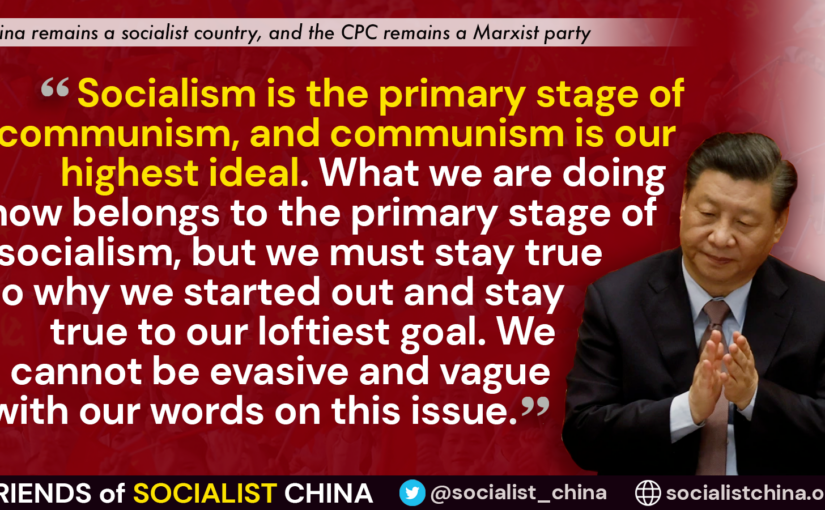
Xi Jinping: communism is our highest ideal
Socialism is the primary stage of communism, and communism is our highest ideal. What we are doing now belongs to the primary stage of socialism, but we must stay true to why we started out and stay true to our loftiest goal. We cannot be evasive and vague with our words on this issue.
Speech at the meeting of the political bureau of the 18th CPC Central Committee on promoting Three Stricts and Three Earnests, 2016

Carlos Martinez: Blaming China for the climate crisis is shameful and hypocritical
The West has followed a Cold War agenda of demonising the world’s most populous country, when in fact China’s per-capita greenhouse gas emissions are less than half those of the US; meanwhile China leads the way in renewable energy, reforestation and electric vehicles. This article by Friends of Socialist China co-editor Carlos Martinez first appeared in the Morning Star on 5 November 2021.
In the run-up to the COP26 UN Climate Change Conference, currently taking place in Glasgow, politicians and media in the West conducted a coordinated and insistent campaign to shift responsibility for the climate crisis on to China.
US President Joe Biden claimed in his closing statement to the G20 Summit, the day before the start of COP26, that China “basically didn’t show up in terms of any commitments to deal with climate change.” He further stated that meaningful progress on climate change negotiations is “going to require us to continue to focus on what China’s not doing.”
Continue reading Carlos Martinez: Blaming China for the climate crisis is shameful and hypocritical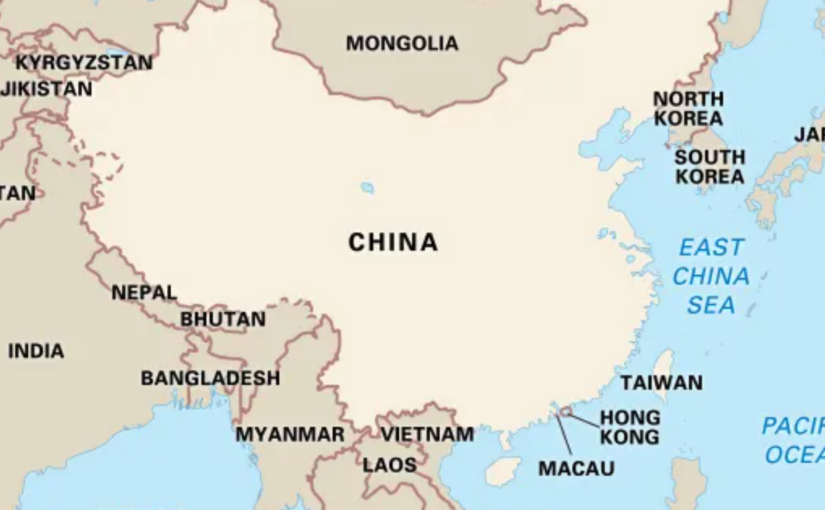
Biden targets China: Turning Taiwan into a military outpost
We are pleased to republish this valuable article by Gary Wilson in Struggle for Socialism providing an overview of the history of US support for Taiwanese separatism. This support has received a boost recently with Biden and Blinken’s talk of bolstering Taiwan militarily and calling for it to be recognised within UN institutions. Such activity on the part of the US government is simply an attempt to reimpose on China the imperialist domination that was overthrown with the founding of the People’s Republic in 1949.
The Guardian reports that U.S. Secretary of State Antony Blinken threatened a U.S. military buildup in Taiwan in a “side meeting” at the G20 summit in Rome on Oct. 31.
The Guardian added that Blinken’s threat “came a week after Biden said the U.S. may support Taiwan’s independence militarily and Blinken called for Taiwan to be recognized within U.N. institutions.”
Continue reading Biden targets China: Turning Taiwan into a military outpost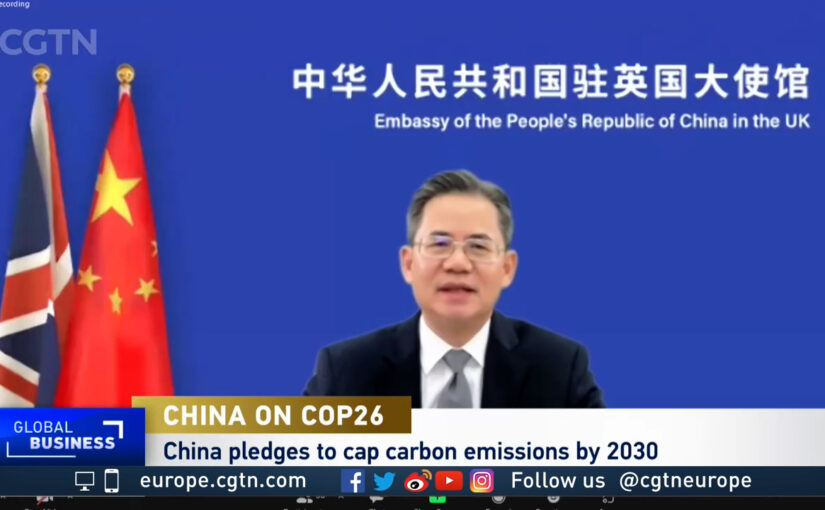
Carlos Martinez: US attempts to blame China for the climate crisis are hypocritical and ridiculous
Friends of Socialist China co-editor Carlos Martinez was interviewed by Sean Blackmon and Jacquie Luqman on the Sputnik Radio show By Any Means Necessary on 02 November 2021. They discuss the misleading attacks on China over climate, the reality behind China’s carbon emissions and its climate change mitigation efforts, how the Chinese economic system facilitates those efforts, and the hypocrisy of the West using the threat of climate catastrophe as part of its cold war drive against China. The audio is embedded below.

Celtics or CIA? Gulenist hoops star Enes Kanter rides both benches
We are pleased to republish this article by Alan Macleod, which first appeared in MintPress News on 2 November 2021, discussing the recent high-profile slanders issued by professional basketball player Enes Kanter against China. Macleod traces Kanter’s political trajectory, including his longstanding association with the Gulen movement, his enthusiastic support for Israeli apartheid, and his enduring friendship with war hawks such as Marco Rubio.
Despite not even leaving the bench, Boston Celtics center Enes Kanter was the one drawing the headlines in their season opener at New York City’s Madison Square Garden. The 6’10” Turk sported shoes emblazoned with the words “free Tibet.” “Under the Chinese government’s brutal rule, Tibetan people’s basic rights and freedoms are non-existent,” Kanter said in a video posted on social media, explaining the move.
Continue reading Celtics or CIA? Gulenist hoops star Enes Kanter rides both benches
Daniel Dumbrill and Danny Haiphong on the motivations for the New Cold War
In a recent interview with Danny Haiphong on Daniel Dumbrill’s YouTube channel, the two discuss the motivations for the escalating US-led New Cold War against China. The segment is embedded below.
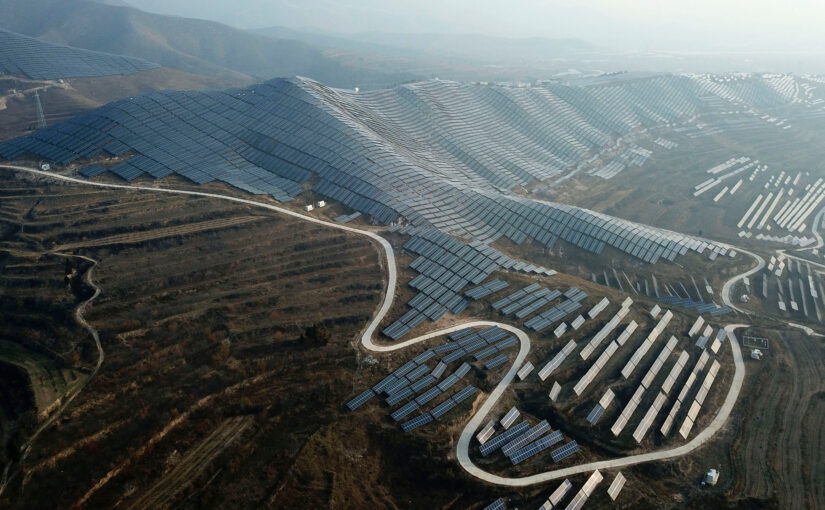
Xi Jinping’s remarks at COP26 World Leaders Summit
We are pleased to publish the written statement of President Xi Jinping delivered today to the COP-26 meeting in Glasgow. The Chinese President makes three essential points – he stresses the need to uphold multilateral consensus; to focus on concrete actions; and to accelerate the green transition. This succinct and principled statement not only sets out the key tasks facing the entire international community if we are to prevent climate catastrophe – it also constitutes a fitting retort to those national leaders who would rather engage in vacuous rhetoric and foster a new Cold War against China and Russia than take concrete actions and face up to their responsibilities.
Honorable Prime Minister Boris Johnson,
Colleagues,
It gives me great pleasure to attend the World Leaders Summit and discuss ways to address the climate challenge. As we speak, the adverse impacts of climate change have become increasingly evident, presenting a growing urgency for global action. How to respond to climate change and revive the world economy are challenges of our times that we must meet.
Continue reading Xi Jinping’s remarks at COP26 World Leaders Summit