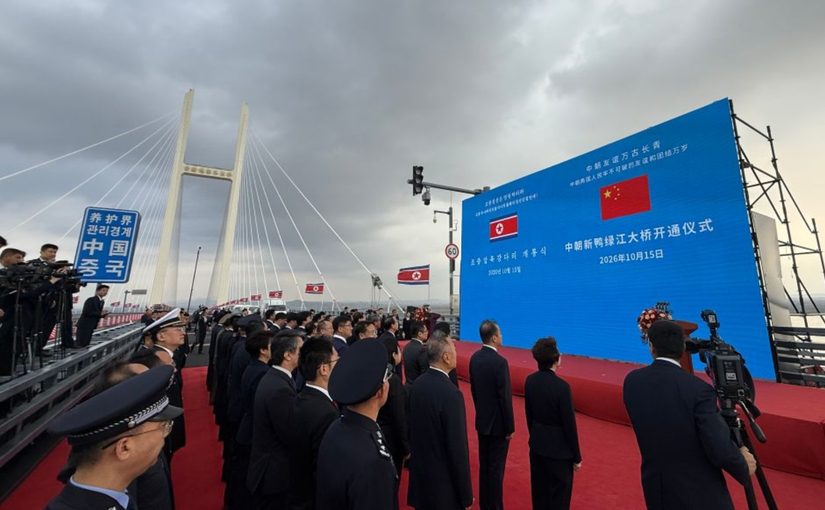
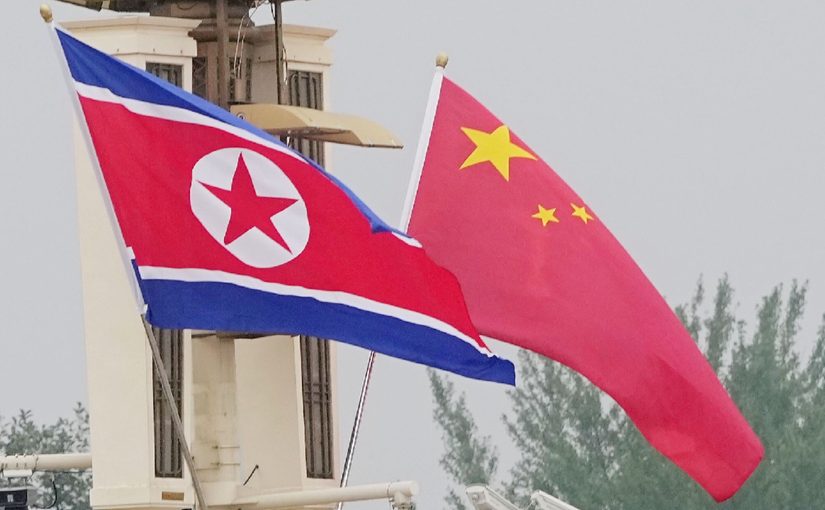
Leaders of friendly countries celebrate Xi Jinping’s birthday

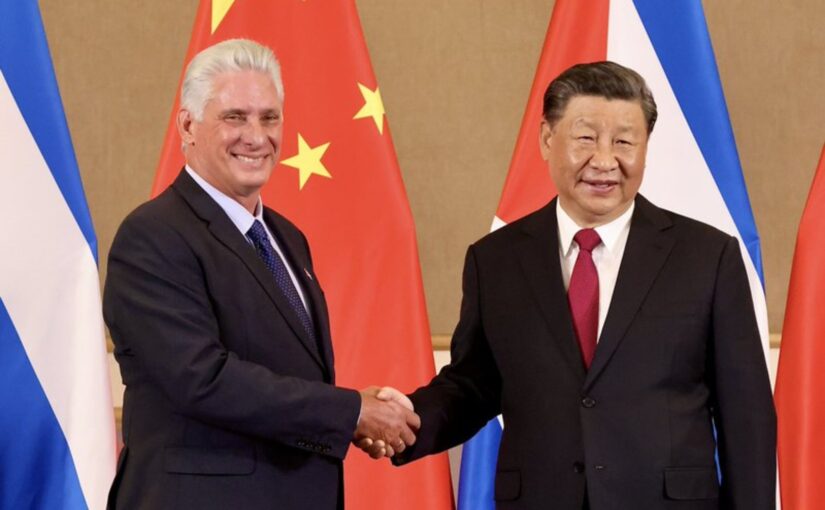
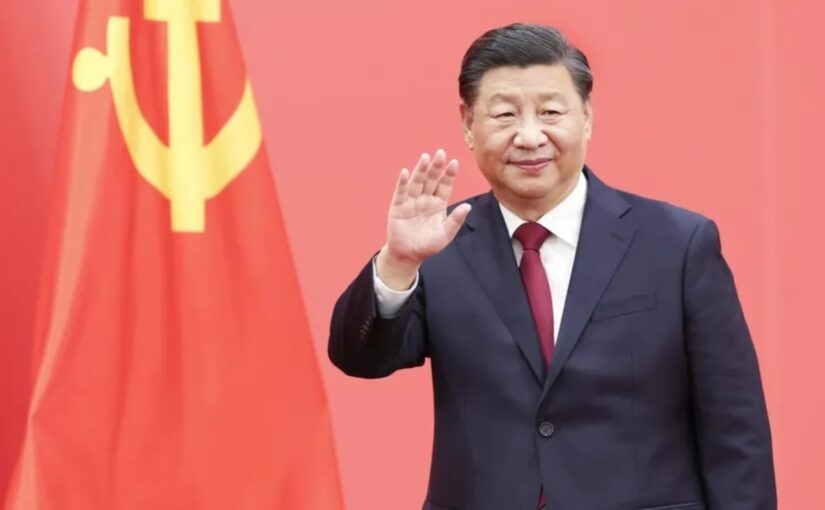
Leaders of a number of friendly countries have sent greetings to Xi Jinping, General Secretary of the Central Committee of the Communist Party of China (CPC) and President of the People’s Republic of China, on the occasion of his 73rd birthday, which fell on June 15.

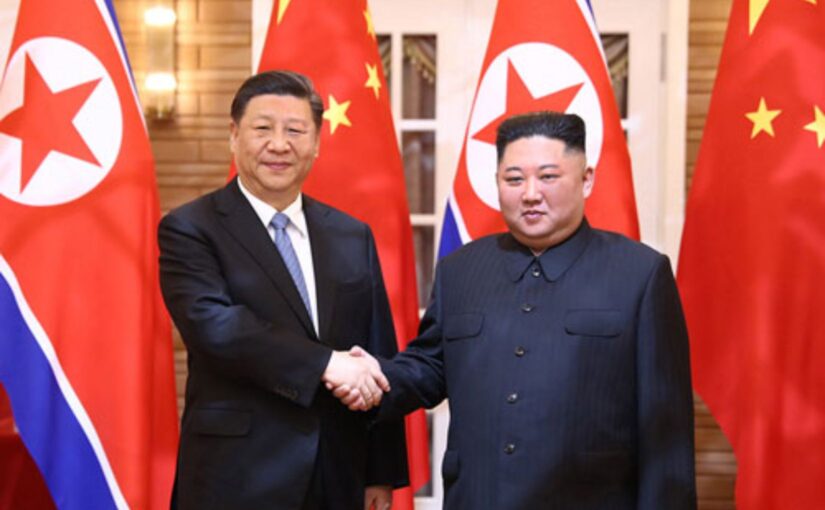
Kim Jong Un, General Secretary of the Workers’ Party of Korea and President of the State Affairs of the Democratic People’s Republic of Korea, sent a congratulatory verbal message and a flower basket to his Chinese counterpart. He sincerely wished Xi good health and greater success in leading the cause of socialist construction in China as the leading core of the CPC.

Russian President Vladimir Putin wrote: “Under your leadership, the People’s Republic of China has achieved impressive progress in economic, social, scientific and technological development, while steadily strengthening its standing on the international stage. You rightly enjoy great respect and authority both among your fellow citizens and abroad.”

Belarusian President Aleksandr Lukashenko wrote: “A modernising and prosperous China today sets the highest standards of global leadership. This is largely the result of your farsighted leadership, your consistent policy of strengthening statehood, and the country’s steady social and economic progress. Your contribution to expanding international cooperation and maintaining global stability is also difficult to overestimate.”

Continue reading Leaders of friendly countries celebrate Xi Jinping’s birthday

Complete success of Xi Jinping’s visit takes relations with DPRK to new height

Xi Jinping, General Secretary of the Central Committee of the Communist Party of China (CPC) and President of the People’s Republic of China, paid a state visit to the Democratic People’s Republic of Korea (DPRK), from June 8-9 at the invitation of his DPRK counterpart Kim Jong Un.

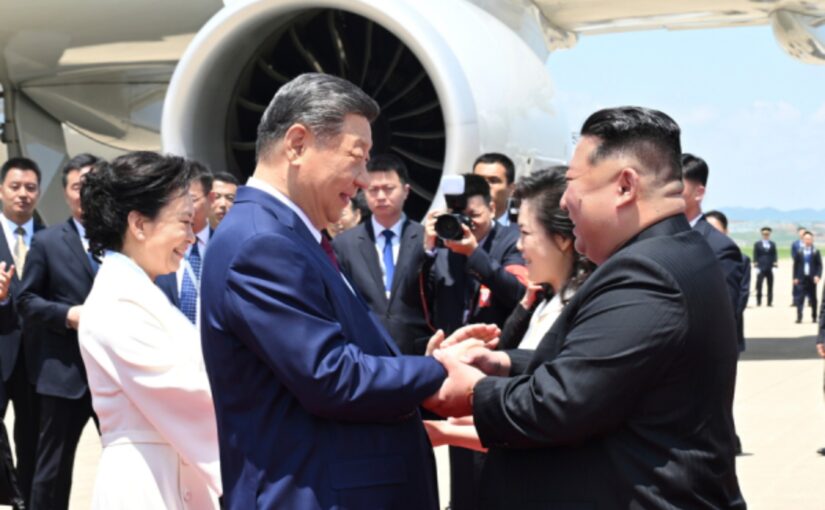
Xi Jinping, together with his wife Peng Liyuan and his delegation, arrived at Pyongyang’s Sunan Airport at around noon where they were greeted by DPRK leader Kim Jong Un and his wife Ri Sol Ju.

The Korean Central News Agency (KCNA) reported that:

“The historic Pyongyang meeting between the top leaders of the Democratic People’s Republic of Korea and the People’s Republic of China was arranged again at a time when the traditional DPRK-China friendship, forged in the long journey for independence against imperialism, peace and the accomplishment of the socialist cause, weathering all hardships of the times, is being developed at a new strategic level.

“Comrade Xi Jinping’s visit to the DPRK in the significant year marking the 65th anniversary of the conclusion of the DPRK-China Treaty of Friendship, Cooperation and Mutual Assistance serves as the important and meaningful one in developing the DPRK-China friendly and cooperative relations, the strategic option and valuable common asset of the two parties and the peoples of the two countries.”

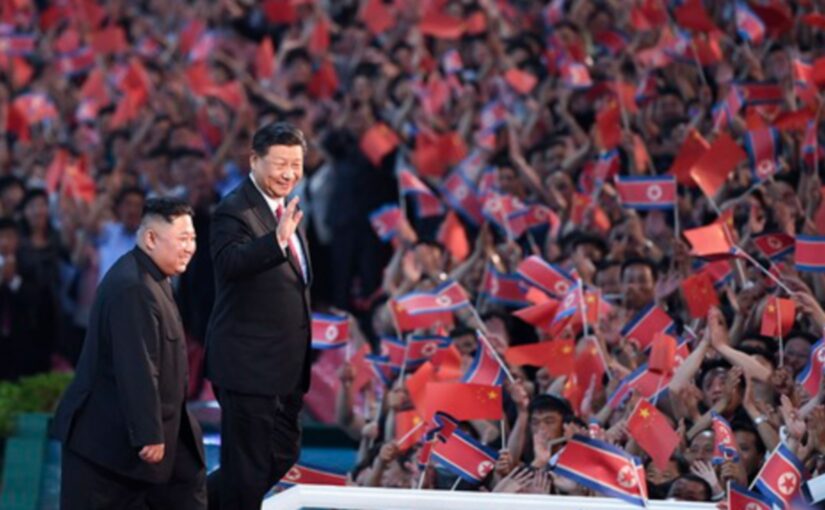
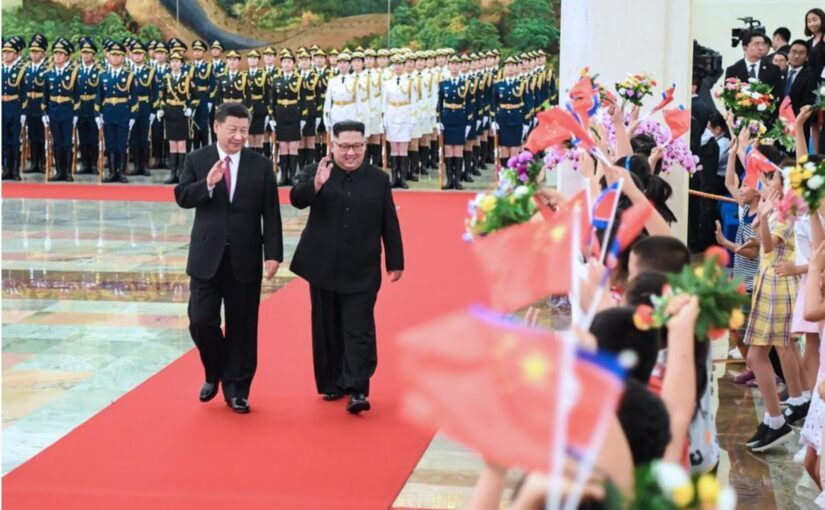
A welcoming ceremony for the Chinese leader was held in Kim Il Sung Square in the heart of the DPRK capital.

As Xi Jinping and his wife arrived by car, a cavalry escort lined up to welcome them while the military band played welcoming tunes. Kim Jong Un and his wife greeted Xi Jinping and his wife at the square. Xi Jinping and his wife, along with Kim Jong Un and his wife, shook hands with their respective accompanying personnel. The top leaders of the two parties and two countries jointly ascended the review stand as the military bands played the national anthems of China and the DPRK, with a 21-gun salute. Accompanied by Kim Jong Un, Xi Jinping inspected the honour guard of the three services of the Korean People’s Army. Guardsmen shouted in Korean, “Wish Comrade Xi Jinping good health”. Afterward, Xi Jinping and Kim Jong Un watched the march-past together.

En route from the airport to Kim Il Sung Square and then from Kim Il Sung Square to the Kumsusan State Guesthouse, where Xi Jinping stayed during his visit, people of the DPRK lined both sides of the streets, waving to welcome Xi’s arrival.

The two leaders held talks during the afternoon.

Xi Jinping noted that after seven years, he is very pleased to once again visit the beautiful city of Pyongyang and feels especially warm and familiar. He expressed his readiness to work with Comrade General Secretary to take this visit as an opportunity to strengthen top-level planning and strategic guidance for China-DPRK relations in the new era, promote bilateral relations advancing with the times and achieving greater progress, so as to better benefit the two countries and peoples, and make positive contributions to peace, stability, development and prosperity in the region and the world.

Xi stressed that China and the DPRK are both socialist countries led by communist parties. The traditional friendship between the two countries is rooted in their shared ideals and beliefs as well as their common goals, and is backed by a profound historical foundation, a solid political basis and strong emotional bonds. Friendship passed down from generation to generation, a shared future and mutual support have always been the defining features of China-DPRK relations. No matter how the international situation changes, the Chinese party and government’s firm stance on highly valuing China-DPRK traditional friendship will not change, the firm support for General Secretary Kim Jong Un in leading the DPRK’s socialist cause will not change, and the firm commitment to safeguarding the shared interests of the two countries and preserving a favorable strategic environment will not change.

Xi Jinping pointed out that, in the face of the profound changes unseen in a century that are accelerating across the world, the two sides should take a broad and long-term view, build on past achievements and open up a new future, draw wisdom from the development process of the relations between the two parties and the two countries, seize opportunities in the prevailing trend of human history, inject new contemporary connotations and strong impetus into the traditional friendship between China and the DPRK, and open up a brighter prospect for the socialist cause of the two countries as well as regional peace and development.

Continue reading Complete success of Xi Jinping’s visit takes relations with DPRK to new height

Xi Jinping: The shared socialist ideal is the defining character of China-DPRK relations

Xi Jinping, General Secretary of the Central Committee of the Communist Party of China (CPC) and President of the People’s Republic of China, paid a state visit to the Democratic People’s Republic of Korea (DPRK), from June 8-9 at the invitation of his DPRK counterpart Kim Jong Un.

Immediately prior to his arrival in the DPRK capital Pyongyang, Rodong Sinmun (Workers’ Newspaper), the central organ of the Workers’ Party of Korea (WPK), published a signed article by Xi Jinping, entitled, ‘Carrying Forward the Past and Opening the Future, Forging Ahead Together – Writing a New Chapter in the Traditional China-DPRK Friendship’.

In the article, Xi states: “China and the DPRK are friendly socialist neighbours that watch over and help each other and share a common destiny. The traditional China-DPRK friendship is the shared precious treasure of the two parties, the two countries, and the people of the two countries. No matter how the times change or how the international situation shifts, the traditional China-DPRK friendship has always been unbreakable and grows stronger over time… Historically, the older generation of leaders of China and the DPRK knew one another intimately and were as close as can be. In recent years, I have met with General Secretary Kim Jong Un six times, maintained close strategic communication, and jointly drawn up the blueprint for the development of China-DPRK relations.”

He adds: “The shared socialist ideal is the defining character of China-DPRK relations. The Communist Party of China and the Workers’ Party of Korea are both Marxist ruling parties, and China and the DPRK are fellow travellers on the socialist road… The traditional friendship of shared destiny is the deep foundation of China-DPRK relations. In the turbulent years of fighting for national independence and national liberation, the people of China and the DPRK shared weal and woe, depended on each other in life and death, and forged a great fighting friendship with their blood. In the development of each country’s socialist cause, the two peoples have stood shoulder to shoulder, sharing comforts and hardships, vividly embodying the comradely friendship of mutual trust, solidarity, and mutual aid.”

Noting that, “in recent years, in the face of accelerating once-in-a-century changes in the world and an international situation entangled by change and turbulence, China and the DPRK have insisted on concentrating their energies on managing their own affairs well, forging ahead and striving unremittingly on the socialist road,” Xi draws attention to the important political events in the two countries this year, noting the commencement of China’s 15th Five Year Plan and the Workers’ Party of Korea’s convening of its ninth congress.

Looking forward, he suggests that China and the DPRK should:

  • Deepen strategic communication and firmly grasp the correct direction for the development of China-DPRK relations. “We must maintain the fine tradition of high-level exchanges between the two parties and two countries, visiting often and meeting each other like relatives.”
  • Strengthen exchanges and mutual learning and jointly push forward the steady and sustained advance of the two countries’ socialist cause. “We must hold firm to the path and be unchanged in our resolve, support each other in walking the socialist road that suits our own national conditions… firmly safeguard the political security of both countries… and lead the socialist cause of the two countries to keep moving from one victory to the next.”
  • Strengthen the alignment of the two countries’ development strategies, tap cooperation potential in all fields, share opportunities, and jointly promote development, so as to better benefit the people of both countries. “Through flexible and varied forms, we must keep friendly exchanges active, deepen mutual understanding, tighten emotional bonds, and pass the baton of China-DPRK friendship from generation to generation.”
  • Oppose hegemonism and power politics and oppose all schemes and acts that seek to revive militarism and that endanger regional security and stability… and join hands to push forward the building of a community with a shared future for humanity.

In conclusion, Xi states that, “We stand ready to forge ahead and write a new chapter together with our DPRK comrades, so that the traditional China-DPRK friendship will shine with an even more brilliant contemporary lustre and make a greater contribution to promoting peace, stability, development, and prosperity in the region and indeed across the world.”

Also on June 8, Rodong Sinmun carried an editorial welcoming the “goodwill mission of the Chinese people” headed by Xi.

It says that the visit, “serves as support and encouragement to our Party and people in the struggle for the comprehensive development of socialism.”

It writes that the relations between the DPRK and China, “are the invincible friendly relations closely united with comradely friendship and bloody ties in the protracted struggle to oppose foreign aggressors and build socialism.

“True to the intention of the great leader Comrade Kim Il Sung, the Korean revolutionaries helped the Chinese revolution with blood in the arduous anti-Japanese struggle. The Chinese people, too, regarded the Korean revolutionaries fighting for the national liberation as their own flesh and blood and rendered material and moral assistance to the Korean people in their struggle.

“The brilliant victories won by the Chinese people in the arduous revolutionary civil war and by the Korean people in the fierce Fatherland Liberation War would have been unthinkable without the fraternal friendship and class ties which have been steadily carried forward and consolidated between the revolutionaries, service personnel and peoples of the two countries.”

It concludes by stating that: “The Korean people sincerely hope that the Chinese people will achieve greater successes in the struggle for comprehensively building a modern and powerful socialist country, rallied close around the Communist Party of China with Comrade Xi Jinping as its core, and firmly defend the national sovereignty, territorial integrity and interests for development.

“We will, in the future, too, join hands with the Chinese comrades on the road of advancing the socialist cause and defending peace and security in the region and the rest of the world.”

Continue reading Xi Jinping: The shared socialist ideal is the defining character of China-DPRK relations

Xi’s visit set to deepen China-DPRK ties

On June 5, the Xinhua News Agency and the Korean Central News Agency (KCNA) both announced that at the invitation of Comrade Kim Jong Un, General Secretary of the Workers’ Party of Korea and President of the State Affairs of the Democratic People’s Republic of Korea (DPRK), Comrade Xi Jinping, General Secretary of the Central Committee of the Communist Party of China and President of the People’s Republic of China, will pay a state visit to the DPRK on June 8 and 9.

In a feature article previewing the visit, Xinhua noted that, “Xi’s upcoming visit, his first to the neighbouring country in seven years, is expected to draw a new blueprint for the development of relations between the two parties and the two countries, inject strong impetus into the joint cause of socialist construction, and make new contributions to regional peace, stability and prosperity.”

It went on to note that in March 2018, the two leaders held their first meeting, during which they reached principled consensus on four aspects of developing China-DPRK relations in the new era. Xi and Kim met three times in less than 100 days that year, making history in high-level exchanges between China and the DPRK.

The two leaders also exchanged visits in the first half of 2019 and in September 2025, Kim made another visit to China. Since 2018, the top leaders of the two parties and the two countries have held six meetings and maintained close communication in various forms, leading the China-DPRK relations to forge ahead in the new era.

Xinhua added: “This year marks the 65th anniversary of the signing of the China-DPRK Treaty of Friendship, Cooperation and Mutual Assistance, making Xi’s upcoming visit to the DPRK even more important.”

The article noted that during his previous visit, Xi paid homage to the martyrs of the Chinese People’s Volunteers at the Friendship Tower in Pyongyang. Xi wrote in the inscription book, “To remember the martyrs” and “The China-DPRK friendship lasts from generation to generation.”

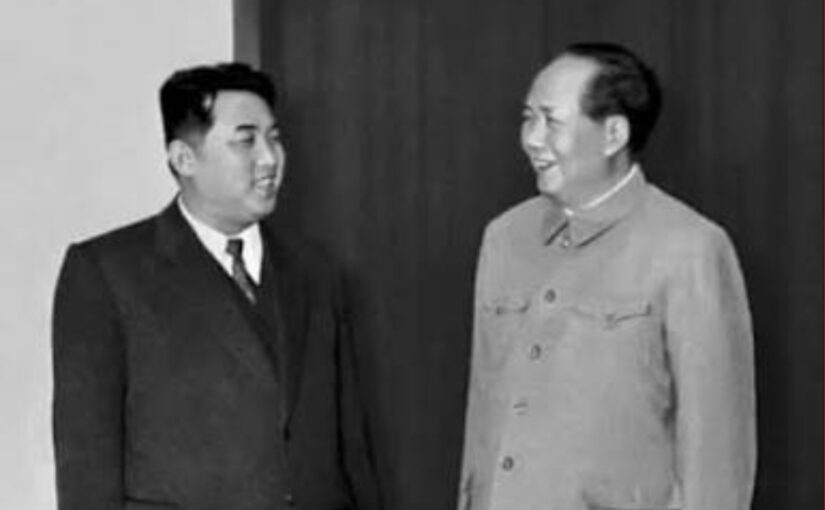
The traditional friendship between China and the DPRK was forged by the elder generation of leaders of the two parties and two countries, cemented in the revolutionary struggle, and continuously deepened in the course of socialist construction, Xi said in his exchange of New Year greeting messages with Kim in 2024.

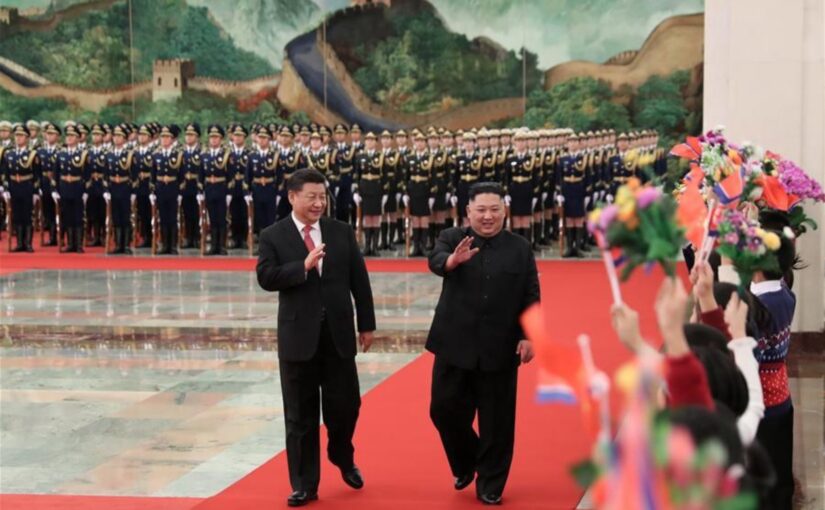
During Xi’s visit to the DPRK in 2019, hundreds of thousands of residents in Pyongyang lined the streets to welcome the Chinese president, leading Xi to recall the occasion during his talks with Kim in Beijing last year, saying he could feel the family-like friendship between the two peoples all along the way.

This, Xinhua noted, finds its expression in the fact that “from economic and trade exchanges to education and sports cooperation, China-DPRK exchanges and cooperation in various fields continued to deepen and has grown ever more solid, bringing benefits to the peoples of both countries.”

The article concludes: “China-DPRK relations are vividly described in a Chinese song: ‘We share a great friendship; we share common ideals; which have united us with incomparable strength.’”

Continue reading Xi’s visit set to deepen China-DPRK ties

China and DPRK reject Quad moves to stoke tension in the Asia-Pacific

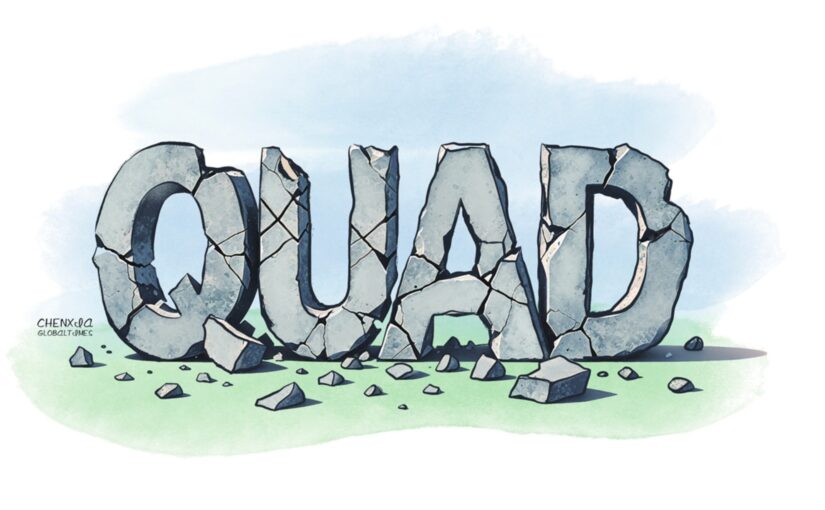
The foreign ministers of the Quad (Quadrilateral Security Dialogue) met in the Indian capital New Delhi on May 26. This US-led body which also comprises Japan, Australia and India plays a provocative role in US imperialism’s attempts to encircle and contain China as well as other socialist countries and anti-imperialist forces in the Asia-Pacific region.

On May 27, the Xinhua News Agency released a commentary stressing the need to guard against what it called the Quad’s “bloc politics”, noting that its members had “again hyped maritime issues related to the East and South China Seas.”

It added: “In recent years, nearly every joint statement issued after Quad foreign ministers’ meetings has reiterated these themes. Yet such patronising rhetoric about safeguarding so-called ‘freedom of navigation’ cannot obscure the reality that the bloc itself has become a source of turbulence, fueling tensions and deepening confrontation in the region.

“At a time when most Asia-Pacific countries are focused on economic recovery and regional integration, the Quad appears to be moving in the opposite direction by unveiling a raft of new measures — a move widely seen as driven by a Cold War mentality aimed at containing China’s development.”

According to Xinhua: “While the Quad foreign ministers voiced concern over regional peace and stability, few will overlook the irony that the war against Iran launched by Washington is itself undermining supply-chain resilience across the Asia-Pacific.

“Regional economies such as India — also a Quad member — are already bearing the brunt of the resulting turmoil in global energy markets. In the meantime, the still-undecided date for the Quad leaders’ summit offers a glimpse into the grouping’s growing disarray.”

However, it warned that “the world should still stay vigilant against countries like Japan [attempting] to use this bloc as a cover to hype up groundless security concerns in the region for its own militarist agenda… What the region needs is cooperative frameworks that prioritise development, mutual trust and shared prosperity over ideological alignment and geopolitical calculation. The Quad should recognise that Asia’s future lies in cooperation, not confrontation.”

The following day, the Korean Central News Agency (KCNA) reported the answers given by a spokesperson for the foreign ministry of the Democratic People’s Republic of Korea (DPRK) regarding the meeting.

The spokesperson noted that the joint statement issued by the meeting “not only seriously distorted the immediate and urgent challenges and threats faced by the countries in the Asia-Pacific region but also clearly exposed the hostile intention against specific countries.

“Quad talked about the strengthening of cooperation while expressing ‘concern’ over the situation in the South Sea and East Sea of China. It is aimed at justifying Japan’s moves for rearmament and Australia’s possession of a nuclear submarine, which are arousing concern of the international community.”

They continued: “In particular, the US-led Quad members took issue with the DPRK’s legitimate exercise of sovereign rights, calling for ‘denuclearisation’. This goes to prove that Quad is nothing but a political and diplomatic tool serving the US strategy for unipolar domination… The Foreign Ministry of the DPRK resolutely denounces and rejects the US-led Quad’s hostile stand against the DPRK and other regional countries and strongly demands that it drop its attempt to escalate inter-camp confrontation destroying regional peace and stability.”

Continue reading China and DPRK reject Quad moves to stoke tension in the Asia-Pacific

Wang Yi visits DPRK

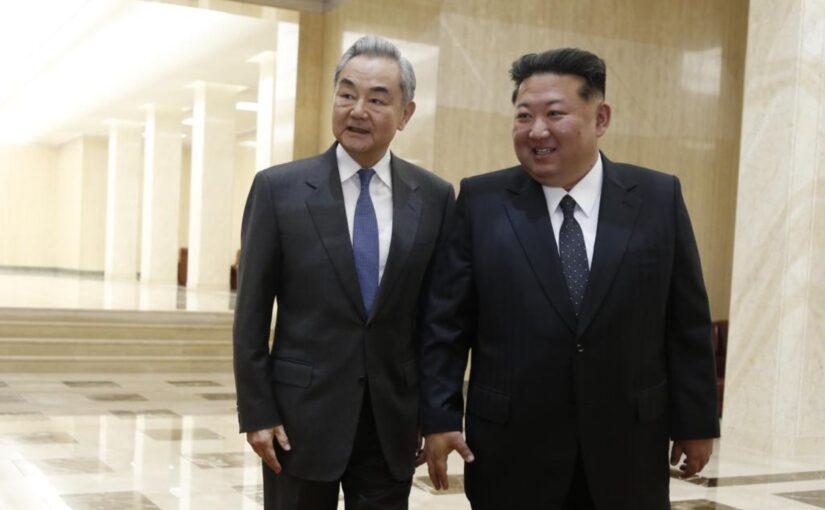
Chinese Foreign Minister Wang Yi, who is also a member of the Political Bureau of the Central Committee of the Communist Party of China (CPC), visited the Democratic People’s Republic of Korea (DPRK) on April 9-10 at the invitation of his DPRK counterpart Choe Son Hui, who is Foreign Minister and also a member of the Political Bureau of the Central Committee of the Workers’ Party of Korea (WPK).

In their talks on April 9, Wang said that in early September last year, Xi Jinping, general secretary of the CPC Central Committee, and Kim Jong Un, general secretary of the WPK, held a historic meeting in Beijing, reaching important consensus on the overall, strategic and directional issues concerning bilateral ties.

Their meeting provides important strategic guidance for further developing China-DPRK relations, pushes bilateral ties into a new stage and opens a new chapter in friendly exchanges between the two countries, which is of great and far-reaching significance, Wang added.

The past year has witnessed a series of highlights in China-DPRK exchanges, which strongly demonstrated that the two countries’ traditional friendship forged in blood remains everlasting and unbreakable, the Chinese Foreign Minister said, noting that this year marks the 65th anniversary of the signing of the China-DPRK Treaty of Friendship, Cooperation and Mutual Assistance. (The DPRK is the only country with which China has a treaty of this type.)

Over the past 65 years, Wang said, no matter how the international and regional situations have changed, China and the DPRK, as good neighbours, good friends and good comrades, have always trusted and supported each other, making unremitting efforts to maintain regional and world peace and stability and promote their respective development.

Wang added that China is willing to work with the DPRK side to hold commemorative events for the 65th anniversary of the signing of the treaty, strengthen high-level exchanges, enhance dialogue and practical cooperation at all levels and in various fields, deepen people-to-people exchanges and mutual understanding, and contribute to their respective economic and social development.

For her part, Choe said that the DPRK-China friendship is based on the common socialist system and traditional friendship, describing bilateral relations as deep-rooted, solid and sustainable. It is the unwavering position of the WPK and the nation to advance DPRK-China friendship and cooperation following the trend of the times and the will of the two peoples.

The DPRK, Choe said, fully supports the one-China principle, firmly opposes any interference in China’s internal affairs, and resolutely supports China’s position on safeguarding sovereignty and territorial integrity concerning Taiwan, Xizang [Tibet], Xinjiang, and other issues of China’s core interests.

She also said that the DPRK side fully endorses the vision of building a community with a shared future for humanity and the four global initiatives proposed by Xi, and highly values China’s just position on and important role in international and regional affairs.

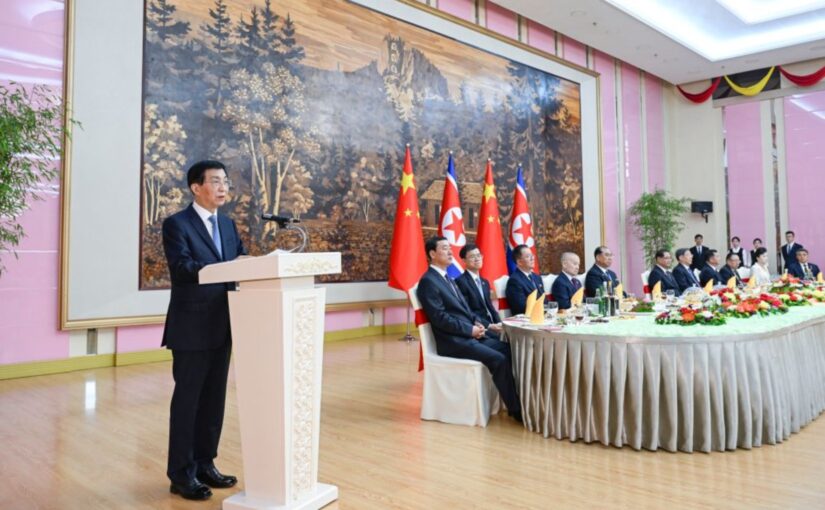
The DPRK government hosted a reception for Wang Yi and his delegation that evening.

In her speech, Choe Son Hui said that it is the consistent policy of the WPK and the DPRK government to value and steadily develop the friendly relations with China, which have given steady continuity to the good traditions of unity and cooperation with socialism as their core, overcoming all the tempests of history.

Continue reading Wang Yi visits DPRK

Xi Jinping exchanges messages with Kim Jong Un

Kim Jong Un was re-elected to the post of President of the State Affairs of the Democratic People’s Republic of Korea (DPRK) at the First Session of the 15th Supreme People’s Assembly on March 22.

Chinese President Xi Jinping sent a congratulatory message to his DPRK counterpart on March 26, in which he wrote:

“The traditional China-DPRK friendship is a precious asset common to the two countries. It is the consistent and steadfast policy of the Chinese party and government to successfully defend, consolidate and develop the China-DPRK relations.”

In a reply message sent the following day, Kim Jong Un wrote that:

“I am pleased to note that the traditional DPRK-China relations are being put on a new high stage in keeping with the aspiration and desire of the two parties and the peoples of the two countries according to the important agreement reached at the meeting with you in September last year. Steadfast is the stand of our Party and government to continue to develop in depth the DPRK-China relations of friendship and cooperation with socialism as the core.”

The day following his re-election, Kim Jong Un delivered an important speech in which he began by: “Expressing my thanks to the Supreme People’s Assembly for entrusting me again with the sacred mission of representing the DPRK and guiding the overall work of the country, I solemnly pledge to make all sincere efforts to firmly defend the Constitution of our Republic and promote the prosperity and development of the State and the well-being of the people, bearing deep in mind the trust and expectations of all of you.”

In the course of a comprehensive and wide-ranging presentation the DPRK leader made some significant observations bearing on the present international situation, including the following:

“The past decade clearly showed that no objective conditions and circumstances can ever check the advance of a state and people that have turned out in the struggle to shape their future, rallied as one with a firm faith, and that the most correct road to prosperity is to achieve self-reliance and self-sufficiency.

“The hostile forces wanted us to make a different choice, preaching a payment for our giving up of nuclear weapons, but the present situation clearly proves how just the strategic option and decision of our State were in rejecting the enemy’s cajolery and perpetuating our nuclear possession so that it is irreversible…

“Thus, our State has ushered in a new era of achieving security and safeguarding peace with strength, not by any declaration or through any appeal.

Continue reading Xi Jinping exchanges messages with Kim Jong Un

Kim Jong Un says ties between China and DPRK will get closer advancing the common cause of socialism

General Secretary of the Workers’ Party of Korea (WPK) Kim Jong Un sent a reply message to his Chinese counterpart Xi Jinping on March 9, thanking him for his message of greetings on his reelection at the recent Ninth Congress of the WPK.

Kim described Xi’s message as “an expression of support and encouragement to me and all our Party members”, adding:

“It is the unshakable stand of our Party and the government of the Republic to continue to consolidate and develop the traditional DPRK-China friendship in conformity with the requirements of the new era and the aspirations of the peoples of the two countries.

 “I believe that the cooperation between the two parties and the two countries will get closer in the future on the road of advancing the common cause of socialism.”

At time of writing, the Korean Central News Agency (KCNA) has also reported similar reply messages from Kim to To Lam, General Secretary of the Communist Party of Vietnam, and Thongloun Sisoulith, General Secretary of the Lao People’s Revolutionary Party.

Meanwhile, on March 12, regular passenger train services were resumed between China and the DPRK.

Reporting this, China Daily noted that on March 10, Chinese Foreign Ministry spokesman Guo Jiakun said that China and the Democratic People’s Republic of Korea are friendly neighbours, and that maintaining regular passenger train operations is important for making travel between the two countries more convenient.

It added that according to China State Railway Group, international passenger train services between Beijing and Pyongyang will run four times a week in both directions — on Mondays, Wednesdays, Thursdays and Saturdays — while services between Dandong in Liaoning province and Pyongyang will operate daily.

The Xinhua News Agency reported on the first service between Dandong and Pyongyang on March 12.

According to the report, Song Ping, a staff member with the Dandong exit-entry frontier inspection station, said authorities had introduced measures to ensure smooth clearance on the first day of operations. The inspection process for the entire train has been shortened to within 30 minutes.

Reporting the train’s arrival in Pyongyang, Xinhua said that the regular service would facilitate cross-border travel and boost economic, trade and cultural exchanges between the two countries.

Regular passenger transport between China and the DPRK was suspended early in 2020 due to the COVID-19 pandemic. Regular air links were restored in 2023.

The following articles were originally published by KCNA, China Daily and the Xinhua News Agency.

Continue reading Kim Jong Un says ties between China and DPRK will get closer advancing the common cause of socialism

Xi Jinping greets Kim Jong Un’s re-election at WPK Congress

Xi Jinping, General Secretary of the Central Committee of the Communist Party of China (CPC) Central Committee and Chinese President, sent a message of greetings on February 23 to his Democratic People’s Republic of Korea (DPRK) counterpart Kim Jong Un on his election as General Secretary of the Workers’ Party of Korea (WPK) during the WPK’s ninth congress.

Xi wrote that the re-election of Comrade Kim Jong Un as General Secretary of the WPK manifests the profound trust and wholehearted support accorded to him from the WPK, government, and the DPRK people. He further expressed the hope that under the strong leadership of the WPK Central Committee headed by Kim Jong Un, the WPK and the people of the DPRK will, taking the momentum of this congress, propel their socialist cause to unprecedented heights.

He added: “China and the DPRK are socialist friendly neighbours committed to mutual assistance and mutual support. To safeguard, solidify, and develop China-DPRK relations has always been the steadfast strategic policy of the Communist Party of the CPC and the Chinese government. In recent years, my multiple meetings with Kim Jong Un, General Secretary of the WPK, have effectively steered the positive development of bilateral relations. Confronted with the accelerated global changes unseen in a century and an international landscape fraught with turmoil and uncertainty, I stand ready to collaborate closely with Kim Jong Un… This endeavour will not only advance the work of  socialist construction of both nations but also deepen the bonds of friendship and enhance the well-being of our peoples, thereby contributing significantly to the peace, stability, development, and prosperity of the region and the world at large.”

The following articles were originally published on the website of the Chinese Foreign Ministry and by the Korean Central News Agency (KCNA).

Xi Jinping Sends a Congratulatory Message to Kim Jong Un on His Election as General Secretary of WPK

February 23 (MFA) – On February 23, 2026, Chinese President Xi Jinping sent a message to Kim Jong Un, extending warm congratulations on his election as General Secretary of the Workers’ Party of Korea (WPK) during the Ninth Congress of the WPK.

In his congratulatory message, Xi Jinping stated that since the Eighth Congress of the WPK, the WPK Central Committee headed by Kim Jong Un has united and led the people of the Democratic People’s Republic of Korea (DPRK) in their dedicated endeavors, continuously achieving new triumphs in the cause of socialist construction of DPRK. The re-election of Comrade Kim Jong Un as General Secretary of the WPK manifests the profound trust and wholehearted support accorded to him from the WPK, government, and the DPRK people. The Ninth Congress of the WPK was held at a pivotal juncture when the WPK and the DPRK are poised to carry forward the past and usher in the future, and its successful convening assumes great significance. It is hoped that under the strong leadership of the WPK Central Committee headed by Kim Jong Un, the WPK and the people of the DPRK will, taking the momentum of this congress, propel their socialist cause to unprecedented heights.

Continue reading Xi Jinping greets Kim Jong Un’s re-election at WPK Congress

CPC greets 9th congress of Workers’ Party of Korea

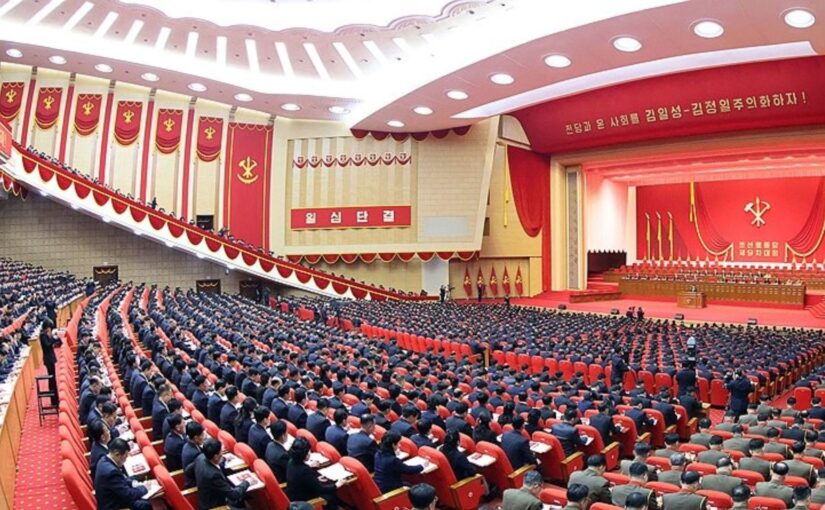
The Ninth Congress of the Workers’ Party of Korea (WPK) opened on February 19 in Pyongyang, capital of the Democratic People’s Republic of Korea (DPRK).

That day, the Central Committee of the Communist Party of China (CPC) sent a message of greetings to the congress, noting that the WPK is the strong leadership core of the DPRK’s revolutionary and construction undertakings. The party has long united and led the DPRK people in relentless progress, achieving significant accomplishments in advancing the DPRK’s socialist cause.

“We wish that, under the strong leadership of the WPK Central Committee with General Secretary Kim Jong Un at its helm, the DPRK people will continue to achieve new and greater accomplishments in their socialist construction,” it said.

It added that both China and the DPRK are socialist countries led by communist parties. In recent years, under the strategic guidance of the top leaders of both parties and countries, China-DPRK relations have entered a new historical period. The CPC has always placed great importance on developing a friendly and cooperative relationship with the WPK, and is willing to strengthen communication and exchanges with the WPK, deepen the exchange of experience in party-building and state governance, jointly lead the healthy and stable development of China-DPRK relations, and promote the steady and far-reaching advancement of the socialist cause in both countries to contribute to regional peace, stability, development and prosperity.

We reprint below the reports on the message as released by the Xinhua News Agency and the Korean Central News Agency (KCNA). We also carry the text of the opening address to the congress delivered by General Secretary Kim Jong Un as carried by KCNA.

Continue reading CPC greets 9th congress of Workers’ Party of Korea

China mourns veteran DPRK leader Kim Yong Nam

China expressed its deep condolences on the passing of Kim Yong Nam, former Chairman of the Standing Committee of the Supreme People’s Assembly of the Democratic People’s Republic of Korea (DPRK).

Kim, who had also served as the DPRK’s Foreign Minister for many years and was virtually synonymous with his country’s diplomacy, died on November 3, 2025 at the age of 97 from multiple organ failure after battling cancer.

Noting that Kim was an old friend of the Chinese people, Foreign Ministry spokesperson Mao Ning told a daily news briefing on November 4, that during his lifetime, Kim had led delegations on many visits to China and made important contributions to promoting the development of the traditional friendly and cooperative relations between China and the DPRK.

An official obituary issued by the DPRK said that:

The life of Kim Yong Nam was a brilliant one in which he was highly honoured for his allegiance to the revolution with pure loyalty and high ability.

He, who left to study abroad in the early days of building a democratic state, returned home in July 1952, when the homeland experienced a fierce war, and devoted himself to training Party cadres at the then Central Party School. He worked at the Central Committee of the Workers’ Party of Korea (WPK) from the mid-1950s to the first half of the 1960s, contributing to enhancing the external prestige of the Party and conducting dynamic work with the progressive forces supporting and encouraging our cause in the international arena.

After working as a Vice-Minister of Foreign Affairs for four years, he successively held an important post in the field of international affairs of the Party from September 1967. In the period, he displayed strict principle and high practical ability in the important and difficult work of modeling the whole Party on the revolutionary idea of the leader, exposing and frustrating the moves of the counterrevolutionary forces that left a stain in the history of the world socialist movement and defending the revolutionary character and authority of our Party.

Since 1983, he had conducted dynamic political and diplomatic activities to defend the rights and interests of the dignified DPRK in the international arena for nearly 20 years as a Vice-Premier of the Administration Council and Foreign Minister.

In the days when he devoted all his wisdom and energy to thoroughly implementing the foreign policy of the state with independence, peace and friendship as its main idea, he made a great contribution to expanding the scope of the DPRK’s external relations and creating an environment favorable for socialist construction.

Continue reading China mourns veteran DPRK leader Kim Yong Nam

Kim Jong Un pays tribute to Chinese People’s Volunteers on 75th anniversary

The Democratic People’s Republic of Korea (DPRK) held solemn commemorations to mark the 75th anniversary of the entry of the Chinese People’s Volunteers (CPV) into the war known in China as the War to Resist US Aggression and Aid Korea and in the DPRK as the Fatherland Liberation War.

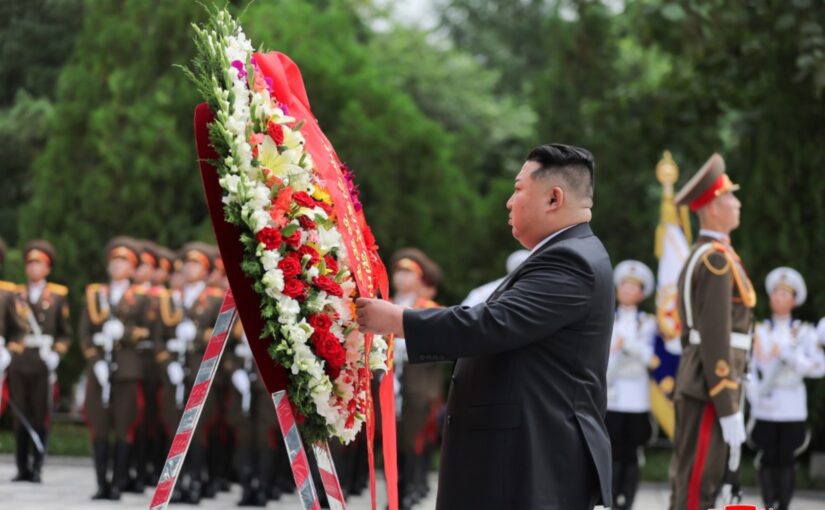
On October 24, Kim Jong Un, General Secretary of the Workers’ Party of Korea and President of the State Affairs of the Democratic People’s Republic of Korea, visited the Cemetery of the Fallen Soldiers of the Chinese People’s Volunteers in Hoechang County, South Phyongan Province and paid a high tribute to them.

Following the main ceremony, Kim Jong Un visited the grave of Mao Anying, the son of Comrade Mao Zedong, where he placed a flower and paid homage.

The Korean Central News Agency (KCNA) commented: “The faces of the CPV fallen soldiers, who assisted the revolutionary war of our people at the cost of their blood with the spirit of internationalism and the feeling of fraternal friendship, remain deep in the hearts of the peoples of the two countries as a symbol of valuable DPRK-China friendship.

“Our people will never forget the blood shed by the excellent sons and daughters of the Chinese people and their immortal feats even after a lapse of many years and the shift of generations.

“The DPRK-China friendship forged at the cost of blood would powerfully demonstrate its inexhaustible vitality in the sacred struggle to realise the cause of independence against imperialism, the socialist cause, in the future, too.”

Kim Jong Un’s visit was also reported by the Xinhua News Agency.

The following day a further ceremony was held at the Friendship Tower in downtown Pyongyang, which honours the CPV martyrs.

Earlier, on October 22, a ceremony for remodeling the cemetery of fallen fighters of the Chinese People’s Volunteers was held in Sinphyong County, North Hwanghae Province. Among those present were DPRK Vice-Minister of Urban Management Kang Chol Ho, joined by Wang Yajun, Chinese Ambassador to the DPRK, staff members of his embassy, the delegation of the veterans and families of martyrs of the CPV on a visit to the DPRK, Chinese guests staying in the DPRK, and Chinese students and residents in the DPRK.

A delegation of the Chinese People’s Liberation Army led by Xia Zhihe, Political Commissar of the National Defence University of the PLA also visited the DPRK from October 25 to October 28 to take part in commemorative functions

Functions were also held at the Chinese Embassy in Pyongyang and the DPRK Embassy in Beijing on October 25.

At the reception hosted in Pyongyang by Chinese Ambassador Wang Yajun, speakers referred to the historic significance of the CPV’s entry into the Korean front 75 years ago and the feats of the martyrs of the volunteers who devoted their precious lives to the revolutionary war of the Korean people.

They expressed the will to carry forward the glorious tradition and the great friendship under the strategic guidance of the top leaders of the two parties and two countries and thus open up a more beautiful future of the socialist cause of the two countries and the DPRK-China relations.

At the DPRK embassy in Beijing, speakers paid high tribute to the martyrs and veterans of the Chinese People’s Volunteers who entered the Korean front and fought shoulder to shoulder with the Korean people. They said that looking back on the history of 75 years ago is of great significance in remembering the forerunners and inheriting their spirit.

They expressed the will to promote the traditional DPRK-China friendship on the road of accomplishing the socialist cause, opposing the imperialists’ aggression and hegemony and defending regional peace and security, international fairness and justice.

Korean diplomatic staff also paid tribute at the cemeteries of CPV martyrs in the cities of Shenyang and Dandong, in China’s Liaoning Province.

The following articles were originally published on the website of KCNA. China’s People’s Daily also reported the commemorations.

Respected Comrade Kim Jong Un Visits Cemetery of CPV Fallen Soldiers on Occasion of 75th Anniversary of Entry of CPV into Korean Front

Pyongyang, October 25 (KCNA) — Kim Jong Un, general secretary of the Workers’ Party of Korea and president of the State Affairs of the Democratic People’s Republic of Korea, visited the Cemetery of the Fallen Soldiers of the Chinese People’s Volunteers in Hoechang County, South Phyongan Province and paid a high tribute to them on Oct. 24 on the occasion of the 75th anniversary of the entry of the CPV into the Korean front.

The respected Comrade Kim Jong Un was accompanied by Jo Yong Won, Pak Jong Chon and Kim Tok Hun, secretaries of the Central Committee of the WPK, and Choe Son Hui, foreign minister of the DPRK.

The guard of honor of the Korean People’s Army lined up at the cemetery.

The national anthems of the People’s Republic of China and the Democratic People’s Republic of Korea were played.

A flower basket in the name of Kim Jong Un and the flower baskets in the names of the Central Committee of the WPK and the State Affairs Commission of the DPRK were laid before the cemetery.

Kim Jong Un paid a silent tribute in memory of the CPV fallen soldiers.

Then, he visited the grave of Mao Anying at the cemetery.

He placed a flower before the grave and paid homage.

The faces of the CPV fallen soldiers, who assisted the revolutionary war of our people at the cost of their blood with the spirit of internationalism and the feeling of fraternal friendship, remain deep in the hearts of the peoples of the two countries as a symbol of valuable DPRK-China friendship.

Our people will never forget the blood shed by the excellent sons and daughters of the Chinese people and their immortal feats even after a lapse of many years and the shift of generations.

The DPRK-China friendship forged at the cost of blood would powerfully demonstrate its inexhaustible vitality in the sacred struggle to realize the cause of independence against imperialism, the socialist cause, in the future, too.


Continue reading Kim Jong Un pays tribute to Chinese People’s Volunteers on 75th anniversary

Premier Li Qiang joins celebrations of the 80th anniversary of the Workers’ Party of Korea in Pyongyang

The Workers’ Party of Korea (WPK), the ruling party in the Democratic People’s Republic of Korea (DPRK), celebrated its 80th founding anniversary on October 10.

Congratulating his Korean counterpart Kim Jong Un, General Secretary of the WPK, Xi Jinping, General Secretary of the Communist Party of China (CPC), wrote that over the past 80 years, the WPK has united and led the people of the DPRK to forge ahead and overcome difficulties, making impressive achievements in advancing their socialist cause.

In recent years, Comrade General Secretary has led the Party and people of the DPRK to work relentlessly to strengthen party building, develop the economy and improve people’s livelihood, he said.

Xi wished that under the strong leadership of the WPK headed by Comrade General Secretary, the socialist cause of the DPRK will continue to achieve new accomplishments, and the country will greet the successful convening of the WPK’s 9th Congress.

Noting that both China and the DPRK are socialist countries led by communist parties, Xi said that in recent years, he has held multiple meetings with Kim to guide and steer the development of relations between the two parties and two countries, opening a new chapter in the China-DPRK friendship.

Xi also recalled Kim’s recent visit to China to attend the commemorations marking the 80th anniversary of the victory in the Chinese People’s War of Resistance against Japanese Aggression and the World Anti-Fascist War, during which the two leaders had in-depth discussions and charted the course for further developing the friendly and cooperative relations between China and the DPRK.

No matter how the international situation changes, it remains the unwavering policy of the CPC and the Chinese government to maintain, consolidate and develop China-DPRK relations, Xi noted.

Chinese Premier Li Qiang, who is also a member of the Standing Committee of the Political Bureau of the CPC Central Committee, led a delegation of the Chinese party and government to attend the celebrations in the DPRK capital Pyongyang.

Upon arrival on October 9, Li said that China and the DPRK, as socialist neighbours connected by mountains and rivers, enjoy a profound traditional friendship.

In recent years, under the strategic guidance and personal efforts of General Secretary Xi Jinping and General Secretary Kim Jong Un, China-DPRK relations have been brimming with new dynamism and vitality, he said.

In September, General Secretary Kim came to China to attend the commemorations marking the 80th anniversary of the victory in the Chinese People’s War of Resistance against Japanese Aggression and the World Anti-Fascist War and the top leaders of the two parties and the two countries held another successful meeting and reached a series of important consensus, charting the course for the development of bilateral relations.

Li Qiang met with Kim Jong Un the same day.

According to the Xinhua News Agency, the Chinese premier said that China is ready to work with the DPRK to further carry forward their traditional friendship, deepen practical cooperation, and closely coordinate and cooperate in international and regional affairs.

Li also called on the two sides to strengthen multilateral collaboration, firmly safeguard and practice multilateralism, and promote the development of the international order in a more just and equitable direction.

Kim asked Li to convey his sincere greetings and best wishes to General Secretary Xi and warmly welcomed the Chinese party and government delegation to the DPRK for the celebratory event, noting that under General Secretary Xi’s wise leadership, China has achieved tremendous accomplishments in socialist construction.

Continue reading Premier Li Qiang joins celebrations of the 80th anniversary of the Workers’ Party of Korea in Pyongyang

DPRK foreign minister: Consolidating and developing relations with China is an unwavering stance

Foreign Minister of the Democratic People’s Republic of Korea (DPRK)  Choe Son Hui visited China from September 27 to 30 at the invitation of her Chinese counterpart Wang Yi. This visit followed on closely from that paid by top DPRK leader Kim Jong Un, September 2-4, to participate in the commemoration of the 80th anniversary of victory in the Chinese People’s War of Resistance Against Japanese Aggression and the World Anti-Fascist War. Choe had also accompanied Kim Jong Un on that visit.

Chinese Premier Li Qiang met with Choe on the morning of September 29.

According to the Chinese Foreign Ministry, he said that China and the DPRK are neighbours connected by mountains and rivers, and share a time-honoured, ever-growing and profound friendship across generations. Earlier this month, General Secretary Xi Jinping held a meeting with General Secretary Kim Jong Un in Beijing, reaching important common understandings on deepening and developing China-DPRK friendly and cooperative relations. China has always viewed and advanced the development of China-DPRK relations from a strategic and long-term perspective. China is ready to work with the DPRK to implement the common understandings reached by the top leaders of the two Parties and two countries, further promote traditional friendship, strengthen strategic communication, and jointly advance the socialist cause of both countries for the greater benefit of the two peoples.

Choe Son Hui said that the recent meaningful and fruitful meeting between the top leaders of the two Parties and two countries has charted the course for the development of DPRK-China relations. Consolidating and developing relations with China is an unwavering stance of the DPRK and serves the fundamental interests of both countries and their peoples. She sincerely wishes China’s continuous and new achievements on the path toward advancing modernisation and national rejuvenation under the wise leadership of General Secretary Xi Jinping.

The Korean Central News Agency (KCNA) added that Choe Son Hui said that the respected Comrade Kim Jong Un had a significant meeting and talks with General Secretary Xi Jinping days ago and reached an agreement on revitalising high-level visits between the two sides. She stressed that it is the invariable stand of the Workers’ Party of Korea (WPK) and the government of the Democratic People’s Republic of Korea to further develop the traditional DPRK-China relations of friendship and cooperation as required by the times.

She also referred to the struggle of the DPRK people who are making all efforts to successfully greet the Ninth Congress of the WPK after definitely concluding all the undertakings planned for this year, the last year of implementing the five-year plan for national economic development.

Continue reading DPRK foreign minister: Consolidating and developing relations with China is an unwavering stance

Kim Jong Un’s first China visit in six years draws world attention

The top leader of the Democratic People’s Republic of Korea (DPRK), Kim Jong Un visited Beijing, September 2-4, to participate in the commemoration of the 80th anniversary of the victory in the Chinese People’s War of Resistance Against Japanese Aggression and the World Anti-Fascist War. His first visit to China in six years drew extraordinary global attention, not least due to the high levels of protocol and hospitality extended by the Chinese side. Kim Jong Un joined Russian President Vladimir Putin in flanking Chinese President Xi Jinping on the rostrum of Tienanmen Square, denoting their status as the chief guests among 26 heads of state and government, as well as senior representatives of dozens of nations and international organisations. It was also the first occasion for Kim Jong Un to participate in this type of multilateral gathering of world leaders and the first time for a DPRK leader to review a military parade in China since founding President Kim Il Sung participated in the 1959 tenth anniversary celebrations of the founding of the People’s Republic.

Arriving in the afternoon of September 2, Kim Jong Un was greeted at Beijing Railway Station by Cai Qi, member of the Standing Committee of the Political Bureau of the Central Committee of the Communist Party of China (CPC) and member of the Secretariat and Director of the General Office of the CPC Central Committee, Wang Yi, member of the Political Bureau of the CPC Central Committee and Foreign Minister, Yin Yong, Mayor of Beijing, and other senior officials.

On the evening of September 4, General Secretary of the Central Committee of the Communist Party of China (CPC) and President Xi Jinping held talks at the Great Hall of the People in Beijing with General Secretary of the Workers’ Party of Korea (WPK) and President of the State Affairs of the Democratic People’s Republic of Korea (DPRK) Kim Jong Un.

Xi Jinping noted that China and the DPRK are good neighbours, good friends and good comrades who have shared weal and woe and helped each other in time of need. The friendship between China and the DPRK has a long history. Both countries are socialist countries led by communist parties, having common ideals, convictions and aspirations.

Xi Jinping extended congratulations on the (October 10) 80th anniversary of the founding of the WPK and stressed that China is going all out to build a great modern socialist country in all respects and pursue national rejuvenation through a Chinese path to modernisation, while the DPRK has kept making new progress in developing socialism. The CPC and the Chinese government attach great importance to the traditional friendship between China and the DPRK, and stand ready to maintain, consolidate and develop China-DPRK relations. No matter how the international landscape may evolve, this position will stay unchanged. China will continue to support the DPRK in pursuing a development path suited to its national conditions and opening new grounds in advancing the DPRK’s socialist cause. China will work with the DPRK to step up high-level exchanges and strategic communication, strengthen exchanges of experience in governance of Party and state affairs, deepen mutual understanding and friendship, promote closer interactions at all levels, and advance practical cooperation across the board.

Continue reading Kim Jong Un’s first China visit in six years draws world attention

China and DPRK jointly celebrate the 80th anniversary of victory over Japanese imperialism

China and the Democratic People’s Republic of Korea (DPRK) have jointly marked the 80th anniversary of the victory of the war to resist aggression and the world anti-fascist war with a number of events.

The Chinese Embassy in the DPRK capital Pyongyang organised a reception on August 20. The Xinhua News Agency reported that among the guests present were Choe Ryong Hae, member of the Presidium of the Political Bureau of the Central Committee of the Workers’ Party of Korea (WPK), First Vice-President of the State Affairs Commission of the DPRK, and Chairman of the Standing Committee of the Supreme People’s Assembly of the DPRK, and DPRK Culture Minister Sung Jong Gyu.

Reporting the speech delivered by Chinese Ambassador Wang Yajun, the Korean Central News Agency (KCNA) said that he noted that, “the China-DPRK friendship was provided in the flames of the bloody revolutionary struggle, [and] stressed that Comrade Kim Il Sung, the great leader of the Korean people and a close friend of the Chinese people, made a great contribution to the victory of the Chinese People’s War of Resistance against Japanese Aggression by waging a death-defying struggle with the Japanese aggressors, together with the Northeast Anti-Japanese Allied Army.

“It is the steadfast policy of the Chinese party and government to successfully defend, consolidate and develop the traditional China-DPRK friendship at all times, he said, expressing the readiness to thoroughly implement the important common understanding made by the top leaders of China and the DPRK and thus advance the socialist cause of the two countries and to make contribution to the happiness of the peoples of the two countries and global peace and stability.”

His speech was followed by that from DPRK Culture Minister Sung Jong Gyu, who paid high tribute to the forerunners of the two countries who sacrificed their youth and lives without hesitation in the sacred anti-Japanese war, and said that the victory in the anti-Japanese war was a world historic event that brought to a close the Second World War with the victory of the world anti-fascist democratic forces and made a great contribution to form a main current with independence and peace in international relations.

He said that the DPRK will make joint efforts together with the Chinese comrades to steadily develop the friendly and cooperative relations forged on the road of accomplishing the cause of anti-imperialist independence and socialism true to the noble intention of the top leaders of the two parties and the two countries.

The website of the Chinese Embassy in Pyongyang carried the full text of both speeches.

It quoted Ambassador Wang Yajun as stating:

“The traditional friendship between China and the DPRK was forged in the revolutionary struggle of blood and fire. More than 80 years ago, the military and civilians of the two countries shared the same hatred and dealt a heavy blow to the Japanese invaders. Many people with lofty ideals in Korea went to China to carry out the anti-Japanese struggle, which received strong support from the Chinese people and inspired the fighting spirit of the Chinese people. In particular, Comrade Kim Il Sung, the great leader of the Korean people and a close friend of the Chinese people, fought to the death against the Japanese invaders together with the Northeast Anti-Japanese Allied Army of China, not only making immortal contributions to the liberation of Korea, but also making important contributions to the victory of the Chinese People’s War of Resistance Against Japanese Aggression. Comrade Kim Il Sung once fondly recalled the days when he was with his comrades-in-arms of the Northeast Anti-Japanese Alliance, saying that he had ‘stablished a deep friendship’ and that ‘the scene of that year is still fresh in his memory’.

“I would like to reiterate that safeguarding, consolidating and developing the traditional friendship between China and the DPRK has always been the unswerving policy of the Chinese Party and government. China is willing to work with the DPRK to resolutely implement the important consensus reached by the top leaders of the two parties and two countries, develop the traditional friendly and cooperative relations between China and the DPRK, promote the steady and far-reaching socialist cause of the two countries, benefit the two peoples, and promote regional and world peace and stability.”

Continue reading China and DPRK jointly celebrate the 80th anniversary of victory over Japanese imperialism

Chinese and Russian diplomats celebrate anti-fascist victory in DPRK

Chinese and Russian diplomats in the Democratic People’s Republic of Korea (DPRK) jointly commemorated the 80th anniversary of the victory of the Chinese People’s War of Resistance Against Japanese Aggression and the World Anti-Fascist War on July 31.

Chinese Ambassador Wang Yajun said that 80 years ago, China and the Soviet Union fought side by side and supported each other, won the War of Resistance Against Japanese Aggression and the Great Patriotic War on their respective battlefields, and made significant historical contributions to the victory of the world anti-fascist war. In May this year, President Xi Jinping attended a celebration commemorating the 80th anniversary of the victory of the Soviet Union in the Great Patriotic War. In September, President Putin will also attend the 80th anniversary of the victory of the Chinese People’s War of Resistance Against Japanese Aggression.

Russian Ambassador Alexander Matsegora congratulated the Chinese people on the 80th anniversary of the victory in the War of Resistance Against Japanese Aggression, saying that the Russian and Chinese peoples made the greatest sacrifices in the European and Pacific theatres respectively and played a decisive role in the struggle to defeat German Nazism and Japanese militarism.

The following article was originally published in Chinese on the website of the Chinese Embassy in the DPRK and has been machine translated.

On July 31, 2025, Ambassador Wang Yajun and Russian Ambassador to the DPRK Matsegora led diplomats from the Chinese and Russian embassies in the DPRK in a friendly exchange event to commemorate the 80th anniversary of the victory of the Chinese People’s War of Resistance Against Japanese Aggression and the World Anti-Fascist War. The event was attended by Minister Feng Chuntai of the Chinese Embassy in the DPRK, Defense Attaché Major General Wang Yisheng, Counsellor Gao Wu, and Counsellor Xu Feng, as well as Minister Counsellor Topeha, Defense Attaché Major General Batusov, and Political Counselor Shutov of the Russian Embassy in the DPRK.

Ambassador Wang stated that 80 years ago, China and the Soviet Union fought side by side and supported each other, achieving victory in the War of Resistance Against Japanese Aggression and the Great Patriotic War on their respective fronts, making significant historical contributions to the victory of the World Anti-Fascist War. In May of this year, President Xi Jinping attended the celebrations commemorating the 80th anniversary of the Soviet Union’s victory in the Great Patriotic War. In September, President Putin will also attend the commemorations of the 80th anniversary of the victory of the Chinese People’s War of Resistance Against Japanese Aggression. China is willing to work with Russia, guided by the important consensus reached by the two heads of state, to remember history, cherish the memory of the martyrs, promote a correct view of World War II history, safeguard the achievements of World War II and the post-war international order, and uphold international fairness and justice and regional peace and stability.

Ambassador Matsegora congratulated the Chinese people on the 80th anniversary of the victory of the War of Resistance Against Japanese Aggression. He stated that the Russian and Chinese peoples made the greatest sacrifices in the European and Pacific theaters, respectively, and played a decisive role in defeating German Nazism and Japanese militarism. Russia has always advocated peace and hopes to create a peaceful and stable environment for economic development and improving people’s livelihoods. The international community should work together to build a just and peaceful international order and ensure equal rights for all nations and peoples.

The two sides jointly watched a video commemorating the victory of the Chinese People’s War of Resistance Against Japanese Aggression and the victory of Russia’s Great Patriotic War. Chinese and Russian diplomats respectively recited the poem “The Eternal Torch” and sang the song “Blood Type” to express their remembrance of history and their cherishment of peace.

DPRK honours Chinese internationalists on war anniversary

The Democratic People’s Republic of Korea (DPRK) celebrated the 72nd anniversary of victory in the Fatherland Liberation War on July 27. This was the date when an armistice agreement was signed ending the fighting that had raged on the Korean peninsula since June 25, 1950.

General Mark Clark, the US commander, admitted that: “In carrying out the instructions of my government, I gained the unenviable distinction of being the first United States commander in history to sign an armistice without victory.”

Malcolm X, the African-American revolutionary leader, said: “Any time Uncle Sam, with all his machinery for warfare, is held to a draw by some rice eaters, he’s lost the battle.” In his ‘The Ballot or the Bullet’ (April 12, 1964), Malcolm noted in his inimitable style:

“Why some rice farmers, some rice farmers, some rice eaters ran him out of Korea. Yes, they ran him out of Korea. Rice eaters with nothing but gym shoes, and a rifle, and a bowl of rice took him and his tanks and his napalm, and all that other action he’s supposed to have and ran him across the Yalu.”

DPRK top leader Kim Jong Un participated in a number of functions to mark this year’s anniversary.

On July 26, he visited the Friendship Tower, which stands in the centre of the capital Pyongyang and honours the martyrs of the Chinese People’s Volunteer Army, who gave their lives in what is known in China as the War to Resist US Aggression and Aid Korea.

Presenting a wreath, Kim Jong Un said that we will never forget the combat feats and merits of the fallen fighters of the Chinese People’s Volunteers recorded in the history of the great victory in the Fatherland Liberation War.

The previous day, Chinese Ambassador Wang Yajun led a large team to visit the Chinese Volunteers Martyrs’ Cemetery in North Pyongan Province.

The administrator of the DPRK cemetery gave a briefing on the restoration and protection of the martyrs’ tombs and said that President Kim Il Sung had instructed that the cemetery should be built in a beautiful place and at a time of commemorative significance. On important holidays, the DPRK people come to pay their respects to the martyrs of the volunteers. As a member of the younger generation, I have been taught by the DPRK Party and government since I was a child that the traditional friendship between the DPRK and China is unbreakable, and I will continue to do my best to maintain and manage the cemetery and contribute to the inheritance of the DPRK-China friendship.

Ambassador Wang thanked the DPRK Party and Government for attaching importance to the restoration and protection of the martyrs’ tombs of the Chinese People’s Volunteers and said that the traditional friendship between China and the DPRK is cemented with blood and is a precious wealth shared by both sides. This year marks the 75th anniversary of the Chinese People’s Volunteers going abroad to fight to resist US aggression and aid Korea, and it is believed that under the strategic guidance of the top leaders of the two parties and two countries, the traditional friendship between China and the DPRK will surely achieve greater development and make greater contributions to safeguarding regional peace and benefiting the two peoples.

The same day, the ambassador visited Pyeoncheon City, South Pyongan Province to pay tribute to the martyrs of the volunteers who died in the Songgu Peak Blockade.

The DPRK personnel gave a detailed account of the situation in the Songgu Peak Blockade Battle, and said that the Chinese People’s Volunteers held high the banner of resisting US aggression and aiding Korea and defending the homeland and the country, united with the DPRK army and people, fought together, and defended the DPRK as if it were their own motherland. It was precisely this spirit that turned into a shield to resist aggression and a sharp sword for launching an attack, and more than 100 officers and men of the Chinese Volunteers were able to resist the repeated attacks of the US military and the wanton and indiscriminate bombardment of aircraft and artillery and fight until the last moment. The Korean people will always remember the great sacrifices of the Chinese People’s Volunteers.

Ambassador Wang said that the Chinese People’s Volunteers fought side by side with the DPRK military and civilians, braved hardships and dangers, made great sacrifices, and made indelible and important contributions to the victory of the War to Resist US Aggression and Aid Korea. We must pass on the spirit of Songgufeng from generation to generation, continue to consolidate and develop the friendship between China and the DPRK, work together to overcome challenges, and contribute to the socialist construction of the two countries and regional peace and stability.

Previously, on July 22, the Chinese Embassy in Pyongyang held a reception to celebrate the 98th anniversary of the founding of the Chinese People’s Liberation Army.

On behalf of all officers and men of the Korean People’s Army, Deputy Director Pak Yong Il warmly congratulated the 98th anniversary of the founding of the Chinese People’s Liberation Army, saying that the DPRK and Chinese armies have joined hands to resist the imperialist invaders in many wars and fought side by side in the same trenches, creating a shining example of friendship and unity. The DPRK is willing to work with China to provide a solid guarantee for the development of friendly relations between them and of the great cause of socialism in the two countries in accordance with the lofty will of the two parties.

On July 18, Ambassador Wang led diplomats from his embassy to visit the Chongsang-ri Cooperative Farm near Nampo City. This is the most famous farm in the DPRK as the country’s founding leader Kim Il Sung visited it a total of 91 times and put forward the basic principles for guiding the development of socialist agriculture and rural development in the DPRK, known as the ‘Chongsan-ri spirit’ and the ‘Chongsang-ri method’.

Continue reading DPRK honours Chinese internationalists on war anniversary

China and DPRK mark treaty anniversary

The 64th anniversary of the signing of the China-DPRK (Democratic People’s Republic of Korea) Treaty of Friendship, Cooperation and Mutual Assistance was celebrated in Pyongyang and Beijing on July 8th and 10th respectively.

The Xinhua News Agency reported that, addressing the reception held at his embassy, Chinese Ambassador to the DPRK Wang Yajun said that the treaty embodies the friendship the two peoples built with their blood in the process of resisting foreign aggression and striving for national independence and liberation and lays a solid legal and political foundation for the long-term development of bilateral relations.

He added that at the moment when changes in the global landscape unseen in a century are going deeper, highlighted by intertwined chaos and ever emerging risks and challenges, it is of great significance to well implement the spirit of the treaty and well develop bilateral ties.

In his address at the event, Kang Yun Sok, Vice Chairman of the Standing Committee of the Supreme People’s Assembly of the DPRK, said that the bilateral treaty lays a solid legal foundation for the continuous consolidation and development of the friendly and cooperative relations between the DPRK and China amid any changes and challenges.

The DPRK-China friendship was jointly forged by the two countries’ older generations of leadership in striving to fight imperialism, achieve independence and build socialism, he said, noting that it is the DPRK’s unwavering stance to pass on and deepen the friendship with China from generation to generation.

The Korean Central News Agency (KCNA) also carried a report on the reception.

China’s People’s Daily reported that Wang Dongming, Vice Chairman of the Standing Committee of the National People’s Congress (NPC), attended a reception on July 10 to commemorate the 64th anniversary of the signing of the treaty hosted by DPRK Ambassador to China Ri Yong Nam.

KCNA noted the large number of Chinese institutions who participated in the reception.

On July 11, People’s Daily carried a commentary saying that: “On July 11, 1961, Premier Zhou Enlai and Prime Minister Kim Il Sung jointly signed the Sino-DPRK Treaty of Friendship, Cooperation and Mutual Assistance in Beijing. This important document has laid a political and legal foundation for the development of friendly and cooperative relations between the two countries and embodies the common desire of the two sides to inherit and carry forward the traditional friendship and safeguard regional peace.

It added: “In recent years, General Secretary Xi Jinping and General Secretary Kim Jong Un have maintained close exchanges and interactions through various forms, leading and promoting the traditional friendly and cooperative relations between China and the DPRK into a new historical period. China and the DPRK have adhered to the original aspiration of friendship for generations, strengthened strategic communication, exchanges and cooperation, firmly supported each other, and safeguarded the common interests of the two countries, fully demonstrating the unbreakable and vigorous vitality of the traditional friendship between China and the DPRK.”

Under the leadership of the Workers’ Party of Korea (WPK) headed by General Secretary Kim Jong Un, it continued, the DPRK people have actively implemented the spirit of the previous plenary sessions of the Central Committee of the WPK and comprehensively promoted all work of socialist construction. As a good comrade and good neighbour, the Chinese side sincerely wishes that the fraternal DPRK people will continue to make new and greater achievements in the cause of socialist construction.

This year marks the 80th anniversary of the victory of the Chinese People’s War of Resistance Against Japanese Aggression and the World Anti-Fascist War. During the arduous war years, the peoples of China and the DPRK supported each other, fought side by side, and made important contributions to the just cause of humanity. It is the firm stand of the Chinese party and government to maintain, consolidate and develop China-DPRK relations.

The following articles were originally published by the Xinhua News Agency and People’s Daily. The People’s Daily commentary was published in Chinese and has been machine translated.

Chinese embassy marks 64th anniversary of signing of China-DPRK friendship treaty

PYONGYANG, July 10 (Xinhua) — The Chinese Embassy in Pyongyang on Wednesday held a reception to commemorate the 64th anniversary of the signing of the China-DPRK Treaty of Friendship, Cooperation and Mutual Assistance.

Over 130 diplomats and officials from both sides attended the event.

Addressing the reception, Chinese Ambassador to the DPRK Wang Yajun said the bilateral treaty is a document of historical significance as well as a monument marking the friendship between China and the DPRK.

Continue reading China and DPRK mark treaty anniversary

China and DPRK support dialogue between civilisations

The Chinese Embassy in the Democratic People’s Republic of Korea (DPRK) held a reception for the first International Day for Dialogue among Civilisations on June 17.

In June 2024, the 78th session of the United Nations General Assembly adopted a resolution initiated by China and more than 80 other countries, which declares June 10 the International Day for Dialogue among Civilisations.

Addressing the reception, Chinese Ambassador to the DPRK Wang Yajun underscored the significance of dialogue among civilizations in lighting up the path to peace and development for the humankind, adding that the pursuit of peace and development is a historical trend and common aspiration of peoples across the world.

DPRK Vice Foreign Minister Kim Son Gyong said that the diversity of civilisations, as a result of long-time evolution in history, deserves respect, and that the acts of recklessly pursuing geopolitical interests, inciting conflict and antagonism among civilisations, and obstructing world peace and development, should be flatly rejected.

China’s initiative to establish the International Day for Dialogue among Civilisations is an important contribution to advancing exchanges and cooperation among nations and civilisations and building a just international order.

Kim added that deepening the traditional friendly ties between the DPRK and China has been a consistent stance of the Workers’ Party of Korea and the government of the DPRK, and the DPRK side is ready to work with the Chinese side to safeguard the common interests of developing countries and pursue true internationalism.

The following article was originally published by the Xinhua News Agency.

PYONGYANG, June 18 (Xinhua) — The Chinese Embassy in Pyongyang on Tuesday held a reception for the first International Day for Dialogue among Civilizations, aiming to boost dialogue for a better world.

Present at the event were Kim Son Gyong, vice minister of foreign affairs of the Democratic People’s Republic of Korea (DPRK), other DPRK officials from the foreign and culture ministries, as well as diplomats from various countries.

Addressing the reception, Chinese Ambassador to the DPRK Wang Yajun said civilizations are beautiful and complementary for diversity, and harmonious for exchanges.

Wang underscored the significance of dialogue among civilizations in lighting up the path to peace and development for the humankind, adding that the pursuit of peace and development is a historical trend and common aspiration of peoples across the world.

He urged the international community to jointly uphold the equality among civilizations, practice exchanges of civilizations and enhance the progress of civilizations, in a bid to build a better future for mankind.

Kim, the DPRK vice foreign minister, said in his address that the diversity of civilizations, as a result of long-time evolution in history, deserves respect, and that the acts of recklessly pursuing geopolitical interests, inciting conflict and antagonism among civilizations, and obstructing world peace and development, should be flatly rejected.

China’s initiative to establish the International Day for Dialogue among Civilizations is an important contribution to advancing exchanges and cooperation among nations and civilizations, and building a just international order, Kim said.

Deepening the traditional friendly ties between the DPRK and China has been a consistent stance of the Workers’ Party of Korea and the government of the DPRK, Kim said, adding that the DPRK side is ready to work with the Chinese side to safeguard the common interests of developing countries and pursue true internationalism.

In June 2024, the 78th session of the United Nations General Assembly adopted a resolution initiated by China and more than 80 other countries, which declares June 10 the International Day for Dialogue among Civilizations.