China is continuing its active work for peace and for an end to the US-Israeli war of aggression against Iran.
Between March 24-27, Chinese Foreign Minister Wang Yi held telephone discussions with five of his counterparts in this regard.
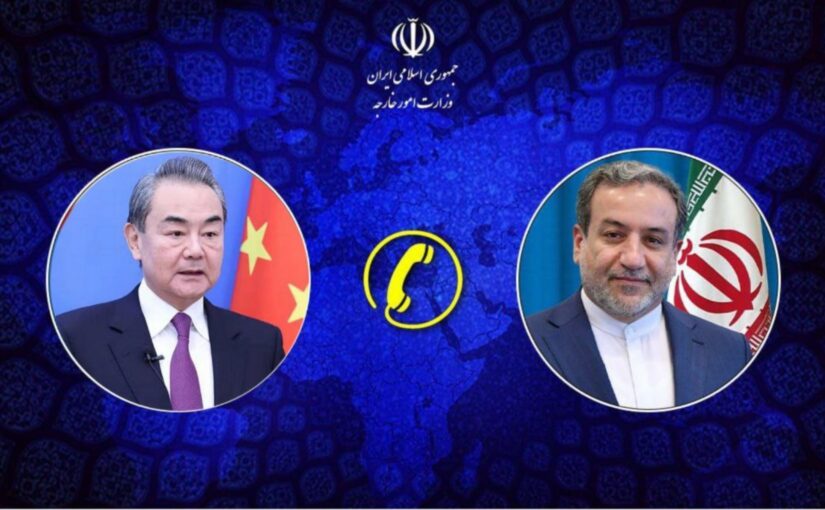
On March 24, he spoke again with Iranian Foreign Minister Seyed Abbas Araghchi, following their call on March 2.
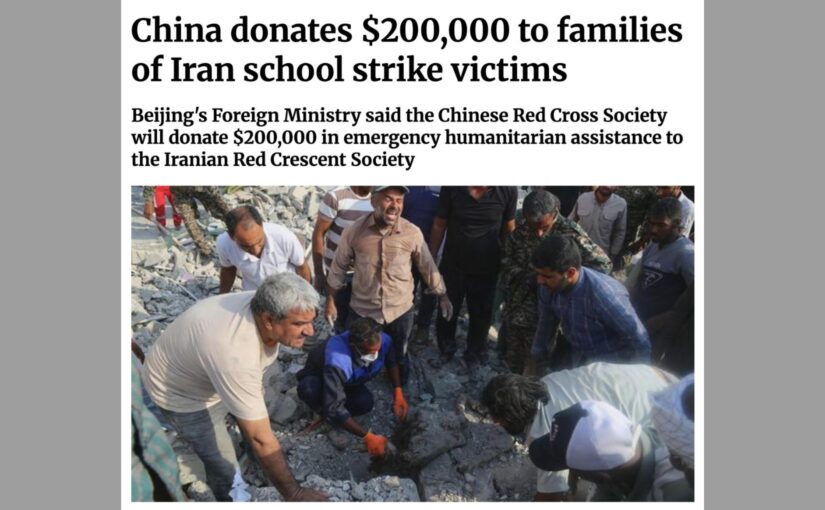
Araghchi briefed Wang on the latest developments in the regional situation. Thanking China for providing emergency humanitarian assistance, he said the Iranian people are more united in resisting foreign aggression and safeguarding the country’s sovereignty and independence.
Iran is committed to achieving a comprehensive end to the war, rather than merely a temporary ceasefire, Araghchi said. The Strait of Hormuz is open to all and ships can pass safely, but countries at war with Iran are not under consideration, he said.
He expressed the hope that measures taken by all parties would help de-escalate the situation rather than intensify the conflict, expecting China to continue playing a positive role in promoting peace and ending the war.
The following day, Wang spoke again with Egyptian Foreign Minister Badr Abdelatty following their call on March 12.
Wang said that both China and Egypt are responsible countries. They both oppose military operations without authorizstion from the UN Security Council, oppose attacks on civilians and civilian facilities, and do not approve of affecting the Gulf countries.
The situation in the Middle East is changing rapidly, Wang said, citing that both the United States and Iran are signalling their readiness to negotiate. A glimmer of hope for peace has emerged, he added.
Stressing that as long as there is dialogue, there is hope for peace, Wang said that the actions of the Security Council should help ease the situation and promote dialogue and help prevent the expansion of the war instead of giving a pass to the use of force.
Noting that China supports Egypt in continuing to play a mediating role in promoting the resumption of peace talks and the cessation of the war, Wang said that China is also willing to continue to make constructive efforts for this purpose.
The same day, Wang also had a call with Turkish Foreign Minister Hakan Fida and said that China supports countries in the Middle East in maintaining calm and addressing disputes and differences through dialogue.
The right and wrong of the conflict in the Middle East are clear, and the international community should adopt an objective and impartial position. China supports countries in the region in remaining calm and responding rationally to the current situation from a long-term perspective based on fundamental interests. China also supports Türkiye in playing a constructive role in promoting the resumption of negotiations.
For his part, Fidan said that Türkiye and China are highly consistent in their positions regarding the current situation in the Middle East, and both countries oppose launching military attacks without authorisation from the UN Security Council and oppose further escalation of the conflict.
China has always been committed to maintaining regional and world peace, and it is believed that China will continue to play an important role, he added.
Continue reading Wang Yi continues China’s work for peace