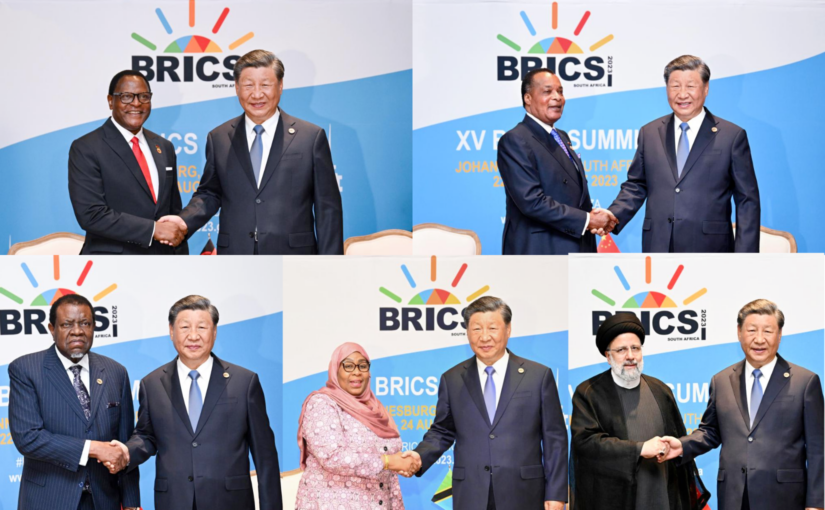
On the final day, August 24, of his recent visit to South Africa, Chinese President Xi Jinping held a further round of bilateral meetings with other national leaders on the sidelines of the BRICS Summit.
Meeting Malawian President Lazarus Chakwera, Xi said that China supports Malawi in exploring a development path suited to its national conditions, and stands ready to continuously offer whatever help China can to the country in its socio-economic development.
For his part, Chakwera noted that China is always the first to lend a helping hand to Malawi when the latter faces difficulties, adding that during his recent visit to China, he was not only warmly received, but also truly felt that China is Malawi’s true friend, brother and partner.
China will, as always, firmly support the Republic of the Congo in safeguarding its national independence and opposing foreign interference, the Chinese President said, whilst meeting his Congolese counterpart, Denis Sassou Nguesso.
Calling Sassou Nguesso an old friend and good friend of the Chinese people, Xi pointed out that the sound development of bilateral relations is inseparable from the fact that Sassou Nguesso attaches great importance to and sticks to friendship with China.
Noting that next year marks the 60th anniversary of the establishment of diplomatic relations between the two countries, Xi said China is ready to make joint plans and hold grand celebrations with the Congolese side.
Sassou Nguesso said Xi’s successful state visit to the Republic of the Congo in 2013 remains fresh in his memory, adding that Chinese enterprises have undertaken many national construction projects in his country, and friendship and cooperation with China are important factors for the country’s continuous development.
China stands ready to strengthen cooperation with Namibia in various fields, including in clean energy, and will encourage Chinese enterprises to invest in the country, Xi Jinping said, when meeting with his Namibian counterpart, Hage Geingob.
Xi said President Geingob is an old friend of the Chinese people, who has deep affection for China. The Chinese side greatly appreciates the president’s firm support for China’s position on issues of core interests, and his delivering justice and speaking out for righteousness in international affairs.
Xi pointed out that China and Africa share similar historical experiences and hard struggle, adding that China insists on equality and mutual respect between big and small countries.
The Communist Party of China has led the Chinese people to successfully build socialism with Chinese characteristics, while at the same time making efforts to push forward the building of a community with a shared future for humanity, Xi said.
Through proposing a series of initiatives such as the Belt and Road cooperation, Xi added, China offers opportunities to developing countries to realise joint development and prosperity, and fights for more equal rights for developing nations.
For his part, Geingob said Namibia and China enjoy long-term friendship. China is an all-weather friend, and even more so a friend who you can count on when in difficulty. The Namibian side is deeply grateful to China’s firm support in the various causes of fighting for national independence and emancipation as well as national development.
He said as a leader of a global major country, President Xi has led the Chinese people to achieve remarkable accomplishments, and treats African leaders with equality and humility, which is very touching.
The Namibian side has been greatly inspired by the thoughts on socialism with Chinese characteristics, and is exploring a modernization path with Namibian characteristics, Geingob noted.
Geingob is President both of the Republic of Namibia and of the South West African People’s Organisation (SWAPO) of Namibia. At its 2017 Congress, SWAPO formally adopted socialism with Namibian characteristics as its official ideology.
Meeting Tanzanian President Samia Suluhu Hassan, Xi said that stronger China-Africa cooperation under the current international situation is conducive to the unity among developing countries, as well as to safeguarding their legitimate development interests.
He pointed out that Hassan’s successful visit to China in November last year was a highlight moment in China-Tanzania relations. China-Tanzania cooperation has always been at the forefront of China-Africa cooperation, and the Tanzania-Zambia Railway is a beautiful memory shared by the people of China and Tanzania.
Noting that next year marks the 60th anniversary of the establishment of China-Tanzania diplomatic ties, Xi said China is willing to take the opportunity of jointly celebrating this anniversary to continuously work with Tanzania in firmly supporting each other’s core interests and major concerns while deepening strategic cooperation.
Noting that Tanzania and China have maintained close exchanges at all levels and that cooperation projects have progressed smoothly, President Hassan said Tanzania highly appreciates China’s valuable support for and assistance to the development of developing countries. Tanzania and other developing countries have all benefited a lot from the Belt and Road cooperation and other major initiatives proposed by Xi, she said.
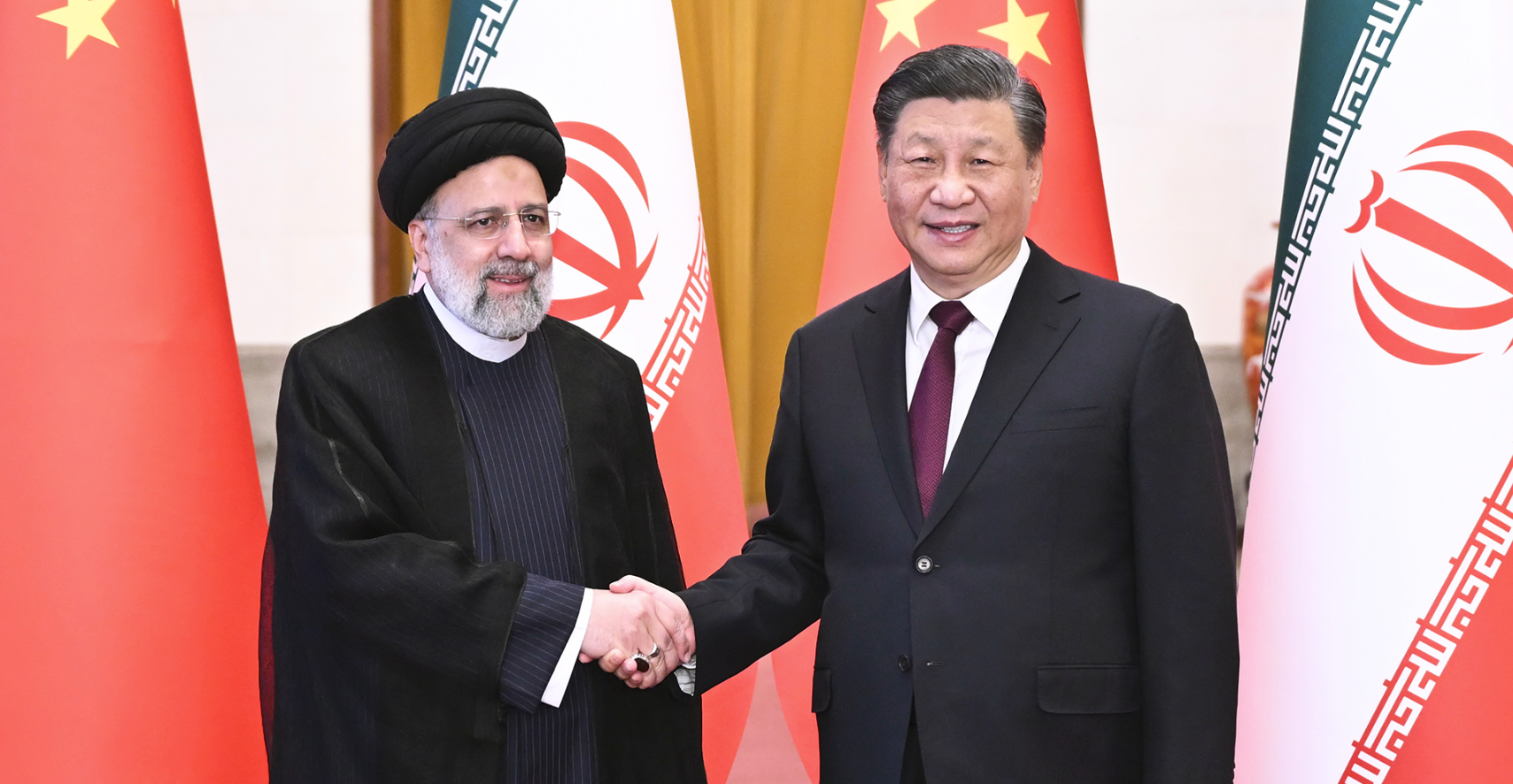
Meeting with Iranian President Ebrahim Raisi, Xi said that China stands ready to strengthen cooperation with Iran on BRICS and other multilateral platforms, so as to push for healthy and robust development of multilateralism.
Xi congratulated Iran on becoming a member of BRICS, stressing that it is a historic event that the BRICS summit, with joint efforts of all parties, has made the decision to expand. All the new members are countries with important influence, Xi said, expressing confidence that they will have a major impact on the world.
The BRICS Summit agreed to invite Argentina, Egypt, Ethiopia, Iran, Saudi Arabia, and the United Arab Emirates (UAE) to join the cooperation mechanism from January 2024, in what the host, South African President Cyril Ramaphosa described as, “the first phase of the expansion process.” More than 40 countries have expressed an interest to join, with more than 20 having already submitted formal applications.
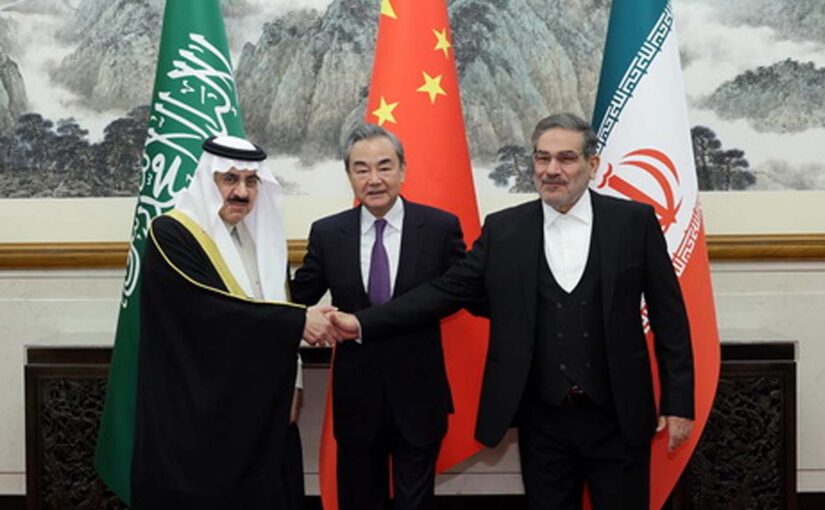
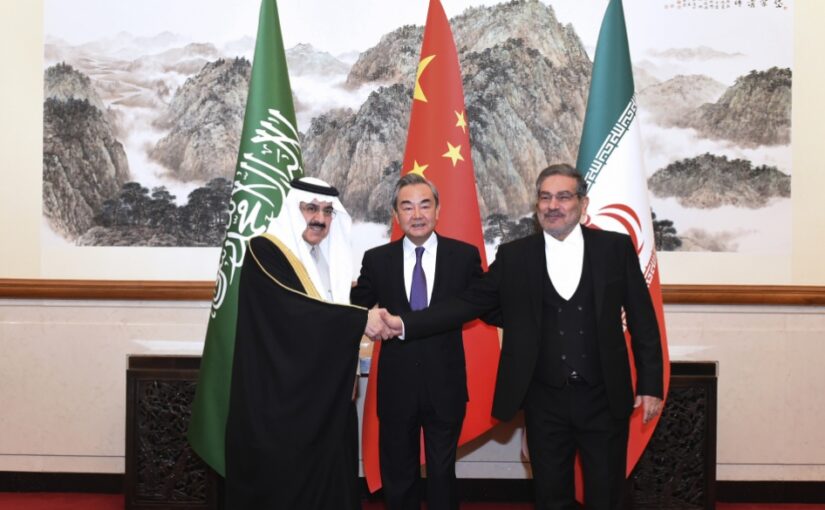
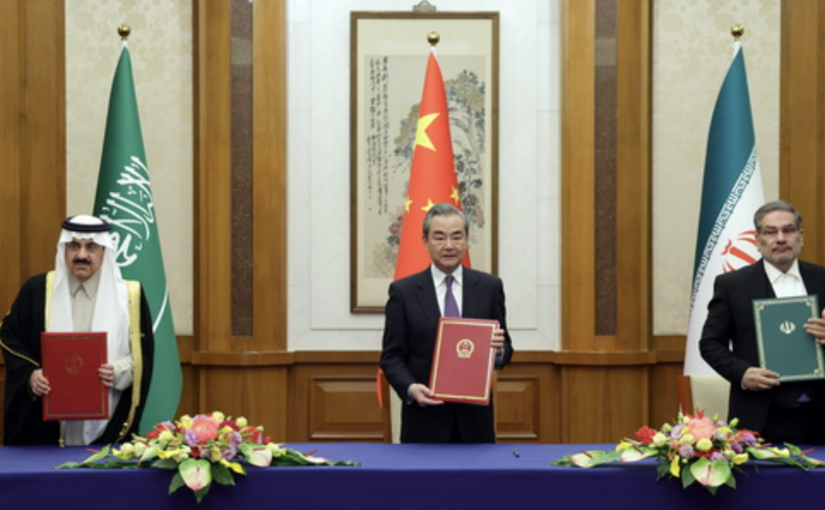
Xi said that since Raisi’s successful visit to China in February this year, the two countries have wasted no time to implement the consensus reached between the two leaders, which has achieved positive results. He added that he is glad that with the joint efforts of China, Iran and Saudi Arabia, Iran and Saudi Arabia have achieved reconciliation, which has promoted security and stability in the Middle East.
For his part, Raisi said Iran highly appreciates and thanks China for supporting Iran in becoming a full member of BRICS, which will provide fresh momentum for the development of Iran-China relations.
The Iranian President expressed gratitude for Xi’s important role in promoting dialogue and reconciliation between Iran and Saudi Arabia, adding that the expansion of BRICS shows that unilateralism is going downhill.
The following articles were published by the Xinhua News Agency.
Xi says China supports Malawi in exploring development path suited to its national conditions
JOHANNESBURG, Aug. 24 (Xinhua) — China supports Malawi in exploring a development path suited to its national conditions, and stands ready to continuously offer whatever help China can to the country in its socio-economic development, Chinese President Xi Jinping said here on Thursday.
Xi made the remarks when meeting with his Malawian counterpart, Lazarus Chakwera, on the sidelines of the 15th BRICS Summit.
Xi said he appreciates Chakwera for upholding the one-China principle since taking office.
It is hoped that China and Malawi can continuously support each other on issues concerning their respective core interests and major concerns, push for new results in practical cooperation between the two countries, and promote ever-new development of bilateral relations, he said.
China is willing to strengthen solidarity and cooperation with Malawi and other developing countries, and advance the development of the international order in a more equal and just direction, he said.
For his part, Chakwera noted that China is always the first to lend a helping hand to Malawi when the latter faces difficulties, adding that during his recent visit to China, he was not only warmly received, but also truly felt that China is Malawi’s true friend, brother and partner.
Malawi firmly adheres to the one-China policy, he said, adding that the Belt and Road Initiative proposed by Xi is conducive to the common development of developing countries.
Chakwera added that Malawi is willing to continuously deepen friendship and cooperation with China.
Continue reading Xi Jinping meets with national leaders of Malawi, Republic of Congo, Namibia, Tanzania and Iran