What can the world learn from China’s response to Covid-19?

This short article by Jin-Ling Tang and Kamran Abbasi, republished from the British Medical Journal, provides a valuable summary of China’s successful strategy suppressing Covid-19. The authors note that while Zero Covid created certain short-term costs, the overall result has been far preferable to the alternative, given that China has reported only 0.05 percent of the total number of global cases despite making up 19 percent of the world’s population.

Old school public health and technology can allow aggressive containment to succeed

The combination of high transmissibility and moderate severity made SARS-CoV-2 a perfect pathogen for a perfect pandemic, unlike SARS, MERS, and flu. In two years, the covid-19 pandemic has swept the entire globe and caused over 250 million infections and five million deaths, despite unprecedented efforts to stop it.

China was the first country affected and held the world’s interest as it battled to understand and contain the new pathogen. But China has reported only 0.05% of the total number of global cases despite making up 19% of the world’s population. The question then is what can the world learn from China’s response to SARS-CoV-2? A new collection of articles written by people involved with that response attempts to shed light on China’s experiences and draw out lessons for the rest of the world (www.bmj.com/how-china-responded-to-covid-19). Indeed, China’s prevention and control strategies remain more aggressive than most other countries.

Continue reading What can the world learn from China’s response to Covid-19?

Study forecasts China investment of $75 trillion in carbon neutrality

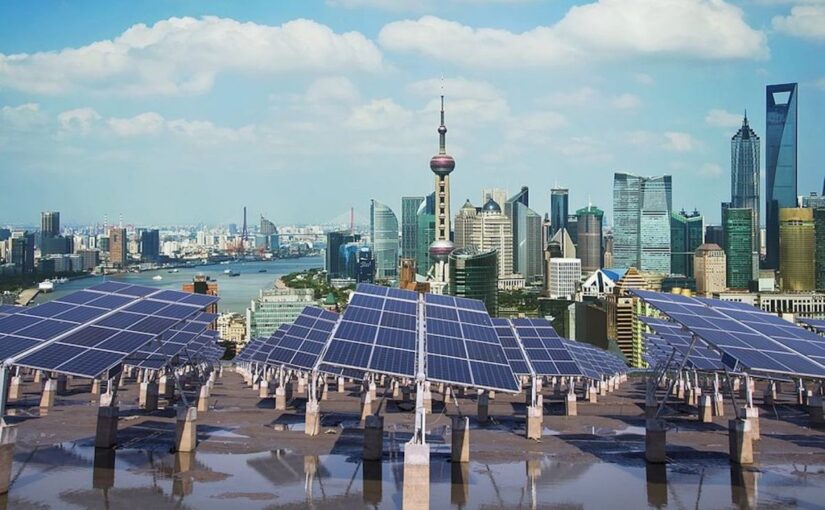
The following article from Asia Times, written by David P Goldman, provides some indication as to China’s commitment to combating climate breakdown and the accompanying massive investment in low- and zero-carbon technology. This is “arguably the most ambitious investment program in economic history, designed to touch every sphere of China’s economic life.” Rather than demonizing China and imposing sanctions on its solar energy industry, Western countries should be closely cooperating with – and learning from – China in humanity’s shared struggle to prevent catastrophe.

China is projected to invest the equivalent of US$75 trillion (487 trillion yuan) in carbon neutrality financing over the next 30 years, representing five times its 2020 national output, according to a December 2021 study by a consortium of government, academic and private-sector experts.

The 200-page report, which encompasses the whole range of carbon-neutral technology from hydrogen-fuel vehicles to nuclear electric power, was issued by the Research Group of the Green Finance Committee of China Society for Finance and Banking under the direction of Ma Jun, president of the Beijing Institute of Finance and Sustainability, an academic unit under the Beijing Municipal Bureau of Financial Work.

Continue reading Study forecasts China investment of $75 trillion in carbon neutrality

Zhou Enlai’s Legacy in the Belt and Road Initiative

We are very pleased to republish this important article on the internationalist activities of Premier Zhou Enlai by Chinese scholars Han Tongyou and Xu Zhengfei. This English language version was originally machine translated by Dongsheng’s Chinese Voices, to whom grateful thanks.

Zhou Enlai, whose 46th death anniversary fell on January 8th, was New China’s first Premier, serving from the founding of the People’s Republic in 1949 to his death in 1976. He also doubled up as the PRC’s first Foreign Minister, 1949-58. He was a tireless worker, an extraordinary statesperson and an outstanding Marxist-Leninist. He is still remembered with boundless respect and affection by the Chinese people and progressive people around the world.

In this article, Han and Xu comprehensively outline how, integrating patriotism and internationalism, Premier Zhou stood on the side of the socialist countries and firmly supported struggles against imperialism and the process of decolonisation. In particular, he brilliantly applied and creatively enriched and developed Lenin’s thesis of peaceful coexistence for a period in which the existence of states with different and varying social systems had proved to be a phenomenon of considerable historical duration. On this basis, he advanced proletarian diplomacy and the theory and practice of the united front regarding the nationalist regimes of various hues that developed in the formerly colonised countries especially from the 1950s onwards.

The authors correctly assert that Zhou’s practice and example played a major role in laying the long-term groundwork for today’s Belt and Road Initiative (BRI) as well as the concept of building a community with a shared future for humanity. He personally visited more than 18 countries along the Belt and Road and his Five Principles of Peaceful Coexistence and Eight Principles in Foreign Aid have stood the test of time.

Executive Summary

Among the countries along the Belt and Road today, Zhou Enlai, the world’s most distinguished diplomat, has personally visited more than 18 countries and established diplomatic relations with more than 36 countries, which has had a wide and far-reaching impact. This article explores Zhou Enlai’s diplomatic activities with countries along the Belt and Road, analyzes his design for spreading China’s voice and telling China’s story, and demonstrates his remarkable contribution to shaping China’s international image and showcasing the charm of a great power. Zhou Enlai’s thoughts and practices are of great relevance to us today in implementing the “Belt and Road” initiative and promoting the community of human destiny.

Keywords: Belt and Road, Zhou Enlai diplomacy, peaceful coexistence, seeking common ground while preserving differences


“Zhou Enlai is a glorious name, an immortal name.” During his 26 years of leadership and diplomatic work, Zhou Enlai personally visited more than 18 countries along the “Belt and Road” and established diplomatic relations with more than 36 countries, creating a new situation in the diplomatic career of the new China, greatly enhancing China’s international prestige, demonstrating China’s image as a great power to the world, and making a great impact. It has greatly enhanced China’s international prestige, demonstrated China’s image as a great power to the world and had a great impact.

In 2013, after General Secretary Xi Jinping proposed the idea of jointly building the Silk Road Economic Belt and the 21st Century Maritime Silk Road, the Belt and Road Initiative gradually entered the domestic and international horizon. On March 27, 2015, authorized by the State Council, the National Development and Reform Commission, the Ministry of Foreign Affairs and the Ministry of Commerce jointly issued the “Vision and Action for Promoting the Construction of the Silk Road Economic Belt and the 21st Century Maritime Silk Road”. The introduction of this document marked the decision of the “Belt and Road” initiative into the implementation and construction phase.

In response to the ever-changing international and domestic situation, Zhou Enlai spoke on several occasions in February 1957 about the division of the nature of countries at that time, mainly socialist countries, nationalist countries and imperialist countries, and then clarified China’s foreign policy: unite socialist countries for the better; fight for national independent countries and make a good united front; against imperialism, be vigilant and guard against war, but not to take the initiative. There are many socialist and nationalist countries in the “Belt and Road”.

First, it will strengthen contacts with socialist countries, open up a new pattern of diplomacy for the new China, and establish a new national image.

China was a socialist country. The capitalist camp, represented by the United States, and the socialist camp, led by the Soviet Union, were strongly opposed to each other, and because of the extreme hostility of the capitalist countries to the new China, it was decided that China could only adopt a “one-sided” foreign policy and join the socialist camp. Thus, within three months of the founding of New China, 11 countries with which China established diplomatic relations were all socialist countries, including Mongolia, Vietnam, Poland, Bulgaria, Albania, Czechoslovakia, Hungary, Romania, and the Soviet Union, which later split into 15 independent states. The establishment of diplomatic relations was only the first step in the political interaction between countries; the promotion of all aspects of the country’s development was the fundamental goal, and for this reason Zhou Enlai was frequently active on the international stage.

The old China was poor, and after many years of war, the new China was in need of reconstruction. In order to restore and develop the national economy, Zhou Enlai visited the Soviet Union under Stalin three times and signed a series of economic, political, diplomatic and military contracts, which led to all-round cooperation between the two sides. In particular, during the implementation of China’s first five-year plan, Zhou Enlai actively carried out diplomacy with the Soviet Union to restore the national economy, achieving remarkable results and promoting the development of China’s socialist construction. Vietnam has a long history of relations with China and is a socialist country. As the leader of Vietnam’s national liberation and independence, Ho Chi Minh and Zhou Enlai shared a deep revolutionary friendship, which made the Sino-Vietnamese relations extraordinary. Unlike Sino-Soviet relations, Sino-Vietnamese relations were more about China’s help to Vietnam, such as helping Vietnam to resist the aggression of the French and American imperialists and helping them to develop their national economy. Zhou Enlai visited Vietnam seven times and brought a lot of military supplies, loans and technology, which were warmly welcomed by the Vietnamese people. The situation of Mongolia was similar to that of Vietnam, and it was also a country that needed China’s assistance. Zhou Enlai visited Mongolia 2 times and gave it necessary help from both political and economic aspects to promote its development.

Poland and Hungary were both Eastern European countries that achieved national independence and built socialism with the help of the Soviet Union. However, after Stalin’s death, due to Khrushchev’s criticism of Stalin, the Polish- Hungarian Incident occurred, the Soviet Union sent troops to Hungary, and the socialist camp was momentarily divided. In this situation, Zhou Enlai visited these two countries from January 11 – 17, 1957, in order to maintain the unity of the socialist camp. In Poland, Zhou Enlai put forward eight proposals, which were welcomed by the Polish party members, who said: “There are many interesting, interesting and useful things in Premier Zhou Enlai’s speech, which we will study carefully”; Hungary was badly damaged and the country was in difficulties, so Zhou Enlai came to the capital personally, despite the danger to his personal security. It touched the whole Hungary.

In his dealings with these socialist countries, Zhou Enlai gave full play to his high diplomatic skills and noble personality, and achieved outstanding diplomatic success. On the one hand, China received assistance from the Soviet Union, which stabilized the domestic situation and promoted the construction of China in all aspects. On the other hand, from the economic, military and diplomatic aspects, China assisted other socialist countries, helping them to oppose aggression, achieve national independence, develop socialist economy, and strengthen the socialist camp. Second, to enhance exchanges with nationalist countries, develop good neighborly relations and establish the image of a great power.

In the late 1950s, as the domestic situation in China and the Soviet Union changed and the two parties diverged on the line of the international communist movement, the “one-sided” pattern became untenable, and Chinese diplomacy, under the direct leadership of Zhou Enlai, gradually developed an independent diplomatic line based on the Five Principles of Peaceful Coexistence. It focused on developing relations with nationalist countries.

China and other Asian and African countries had a common situation, they had just overthrown the colonial rule, gradually mastered their own destiny and future, and shared common development needs, so it was easier to gain mutual understanding, and the rapid development of the new China gradually attracted their attention. By the time of the Asia-Africa Conference in 1954, 22 countries had formally established diplomatic relations with China, including 12 socialist countries and 10 nationalist countries, and countries along the “Belt and Road” such as India, Burma, Indonesia, Pakistan and Afghanistan, followed by Nepal, Ceylon (later renamed Sri Lanka), Cambodia, Egypt and Turkey. The “One Belt and One Road” countries such as India, Burma, Indonesia, Pakistan, Afghanistan, followed by Nepal, Ceylon (later renamed Sri Lanka), Cambodia, Egypt, and Turkey also established diplomatic relations with China.

In relations with Southeast Asian countries, Zhou Enlai always adhered to the policy of peaceful and good-neighborly relations and resolved the border dispute issue well. The Sino-Burma border issue is a good example of China’s handling of border issues. Zhou Enlai pointed out at the border demarcation meeting that “this work needs to be done very carefully and prudently; to stand firm on the national position and to take care of friendly relations; to draw the border in a practical way and not to lose our sovereignty.” In order to solve the border issue, Zhou Enlai proposed the principle of “mutual understanding and compromise”, and after many rounds of consultations, surveys and negotiations, an agreement was finally reached and the border was demarcated. Myanmar’s Prime Minister U Nu commented on the matter: “I and some people in the Myanmar government were satisfied, and the diplomatic team of the cabinet also considered the Prime Minister’s proposal to be reasonable. Using this as an example, China went on to successfully resolve border issues with Nepal, Afghanistan, Pakistan and other nationalist countries respectively, securing a peaceful environment for China’s socialist construction at the time.

In order to better develop domestic economic construction, Zhou Enlai also actively developed economic and trade exchanges with nationalist countries. He emphasized : “The purpose of foreign trade is to develop production so that products can be sold and materials necessary for the country can be bought in.” In the autumn of 1952, Zhou Enlai asked the Ministry of Foreign Affairs to conduct state negotiations with Ceylon, which culminated in the signing of an economic and trade agreement to exchange rubber for rice, meeting the respective development needs of both countries. Starting from 1956, China began to provide economic aid to Cambodia, supplying various commodities and materials free of charge and helping to build complete equipment projects, making Cambodia the first country in which China provided free aid to a nationalist country. Thanks to Zhou Enlai’s extraordinary diplomatic achievements, the political status of the new China was improved and the development of China’s trade with Asian and African nationalist countries advanced a big step. After the Bandung Conference, China launched government-to-government trade activities with Syria, Lebanon, Yemen, Afghanistan, Iraq, Pakistan, Nepal and other countries one after another. In Africa, Zhou Enlai worked with Egyptian President Nasser to promote the development of trade between the two countries. He also sent Foreign Trade Minister Ye Jizhuang to organize the opening ceremony of the China Commodity Trade Fair in Egypt, which expanded China’s influence in Africa and subsequently more than 10 African countries established trade relations with China.

During his premiership, Zhou Enlai promoted a large number of foreign affairs activities with countries along the “Belt and Road”, with the following main features:

First, the development concept of opening up to the outside world is proposed. Although Zhou Enlai did not explicitly put forward the concept of “opening up to the outside world” during his lifetime, he had already reflected this concept in his discussions on foreign politics, economy, diplomacy and culture. Zhou Enlai pointed out that “any country in construction, any country in the world, cannot be completely closed and self-sufficient, but always in need of each other”, and therefore “the idea of building behind closed doors is also wrong. He explained the historical necessity of opening up to the outside world from the height of the times. In response to the economic and cultural backwardness of China at that time, Zhou Enlai said in a foreign affairs conversation with the Prime Minister of Pakistan on October 19, 1956 that “China itself has lagged behind for a century” and that “the world science has made particularly great and rapid progress in the last twenty or thirty years, and these advances have left us These advances have left us far behind in the development of science.” General Secretary Xi Jinping clearly pointed out in his speech at the symposium commemorating the 120th anniversary of the birth of Comrade Zhou Enlai that Zhou Enlai attached great importance to learning advanced foreign technology, emphasizing that “to dare to learn from the strengths of all countries is the expression of the greatest self-confidence and self-respect, and such a nation must also be a nation capable of self-reliance.” In his foreign affairs activities, he emphasized the importance of learning and advocated learning from all countries. “We must learn not only from the Soviet Union and from our brother countries, but also from all countries in the world, including those that are peaceful and neutral, such as India, Burma, Indonesia, Egypt, etc.” It can be seen that Zhou Enlai’s idea of opening up to the outside world has broken through the shackles of ideology and social system and embodies visionary insight. He insisted on the principles of equality and mutual benefit, mutual benefit and common development, and advocated learning from all the strengths of these countries.

Learning from the Soviet Union had become a trend at the beginning of the new China, and Zhou Enlai was also the driving force behind the “learning from the Soviet Union”. He said: “The Chinese people are now working on their first five-year construction plan. In order to ensure the success of this construction, it is necessary to learn from the advanced experience of socialist construction in the Soviet Union, as Comrade Mao Zedong has often called for, honestly and diligently. The Soviet Union’s today is our tomorrow.” With the arrival of large numbers of Soviet experts in China, a nationwide movement was formed calling for the study of Soviet experts’ knowledge and technology as well as ideas, styles and methods, which promoted the construction and development of early New China and laid the foundation for China’s later national economy. Zhou Enlai often asked to take the initiative to study the advanced technology outside and to exchange with an attitude of learning. When reviewing the program of the Song and Dance Troupe of the Political Department of Xinjiang Military Region, which was to perform in Egypt and other African countries, he told the actors that you were the first ones to go to Africa and were the advance team of diplomatic work, so you should learn from the African people with an open mind in order to express the deep love and friendship of the Chinese people to them, and never have a big country mentality, but learn the advanced aspects of other countries to better promote the development of our country.

Second, adhering to the unity of patriotism and internationalism. Zhou Enlai was a model of unity between patriotism and internationalism. In 1952, he clearly pointed out in “Our Foreign Policy and Tasks” that the guiding ideology of the new China’s diplomacy was “to adhere to internationalism and oppose narrow nationalism” and “to adhere to patriotism and oppose cosmopolitanism”. Our internationalism is to make all countries independent and equal” and “socialist patriotism is not narrow nationalism, but patriotism that strengthens national self-confidence under the guidance of internationalism”.

In the early days of the founding of the People’s Republic of China, the new China adopted a “one-sided” foreign policy and fell back on the socialist camp. Zhou Enlai called for the development of the spirit of internationalism, the unification of the socialist countries, the establishment of a united front, the exchange of benefits and disadvantages, and active support for the cause of independence and liberation of the Third World. After the outbreak of the Suez Canal incident in 1956, Zhou Enlai quickly issued a statement condemning the aggression of the British and French governments and supporting the Egyptian people’s war against aggression; subsequently, Zhou Enlai, on behalf of the Chinese government, offered a cash donation of 20 million Swiss francs to the Egyptian people. Zhou Enlai then donated 20 million Swiss francs in cash to Egypt on behalf of the Chinese government, fully embodying the spirit of internationalism and winning the friendship of the Egyptian people.

As the international environment developed and changed and the Sino- Soviet conflict escalated, Zhou Enlai promptly adjusted China’s diplomatic strategy from the hegemonic rule of the two superpowers of the United States and the Soviet Union to the struggle for the “two middle zones” and active support for the just struggles of the peoples of Asia, Africa and Latin America. In developing diplomatic relations with these countries, Zhou Enlai’s internationalist spirit was brought into full play. He visited many countries along the “Belt and Road”, fully exchanged views with their leaders on issues of national independence and liberation, and actively provided assistance to them. For example, economic and technical assistance has been a long-standing foreign policy of China since 1956, when he assisted Cambodia.

Between 1956 and 1960, China and Mongolia signed three agreements on economic and technical assistance, and provided Mongolia with one non- refundable aid amounting to 160 million rubles and two long-term loans totaling 300 million rubles to help Mongolia develop its economy. Later, China also provided economic and technical assistance to Albania, Hungary, Cuba, Burma, Ceylon (now Sri Lanka), Egypt, Guinea, Algeria, Nepal, Yemen, Pakistan, Indonesia, Laos, Syria and other Asian and African countries. Even during the difficult period of China’s national economic development, such as the Cultural Revolution, foreign aid has continued. China has always believed that foreign aid is China’s internationalist obligation, and it is also very beneficial to its own construction. In 1962, Zhou Enlai pointed out: “The victorious Chinese people, while carrying out socialist construction, must also, according to the possible conditions, give assistance to brotherly and nationalist countries, which is our inescapable internationalist obligation. …… their construction work well, and their strengthened opposition to imperialism is an important support to our socialist construction cause”. During his visit to Africa in 1963 – 1964, Zhou Enlai put forward the famous eight principles of foreign aid During his visit to Africa in 1963-1964, Zhou Enlai put forward the famous eight principles of foreign aid, which fully embodied the spirit of Chinese internationalism and was thus well received and praised by the countries concerned.

Third, we are committed to creating a peaceful and stable international environment. At the very beginning of the founding of New China, Zhou Enlai put forward the idea that “we urgently need a peaceful national environment to develop our independent economy”. The foreign policy of seeking world peace is in line with China’s need to build socialism and the aspirations of peace-loving people around the world. In accordance with the post-war Cold War pattern of U.S.-Soviet hegemony, Zhou Enlai developed Lenin’s idea of peaceful coexistence and creatively put forward the Five Principles of Peaceful Coexistence, which was used to solve some border and territorial disputes. There is no reason why international disputes cannot be resolved through consultation”. He presented China’s “Declaration of Peace” to the conference, on the basis of which the conference eventually adopted the ten principles. Since then, the Five Principles of Peaceful Coexistence have gradually become a universally accepted diplomatic principle for all countries in the world and have been written into the UN Charter, promoting the cause of world peace.

Zhou Enlai advocated the five principles of peaceful coexistence and firmly opposed hegemony. He once proposed a criterion to measure whether a country could be a friend of China, namely, “the main key to the distinction is the attitude toward war and peace”. If any country, regardless of its size, strength, development or backwardness, dares to launch a war of aggression, the Chinese government will stand up and condemn it. For example, China actively supported and supported the victim countries in the war against France in Vietnam, the war against the United States in Korea, and the war against Britain and France in Egypt.

During Zhou Enlai’s premiership, there were continuous international wars. China’s economic development, coupled with the instigation of some Western countries, aroused the fears and fears of some countries, who feared China’s foreign aggression when it became strong. The Burmese ambassador to China, U Nu Maw, said frankly in a conversation with Mao Zedong and Zhou Enlai: “I am afraid of Chinese aggression, I am really afraid. Based on this, Zhou Enlai repeatedly stated the Chinese government’s position on foreign affairs occasions. During his visit to Vietnam, he particularly emphasized the position of the new China: “I would like to offer a pledge that China will always abide by the five principles and resolutely oppose chauvinism of the great powers, so as to strengthen friendship and solidarity among nations.” During the meeting with the Prime Minister of Pakistan, who visited China, he pointed out: “As soon as China develops, it must be imperialism, which is something we cannot agree with”, “The question is not whether a country is strong and developing, but whether its policies and institutions threaten people “. Our country is a socialist country, which is against colonialism and imperialism. China has also suffered from aggression, and the lessons of history do not allow China to invade other countries. Zhou Enlai’s series of diplomatic activities dispelled other countries’ doubts about China and firmly established good-neighborly and friendly relations with China.

General Secretary Xi Jinping spoke highly of Zhou Enlai’s diplomacy: “Comrade Zhou Enlai’s profound diplomatic thinking, colorful diplomatic practice, unique diplomatic art and diplomatic style have won the universal respect of people around the world and international friends, and earned the Party and the country a high international reputation.” Although Zhou Enlai’s diplomatic legacy belongs to history, much of it has been applied to all aspects of contemporary China and has influenced Chinese politics, from Deng Xiaoping to Xi Jinping and up to today’s “One Belt, One Road” strategic approach.

Peaceful coexistence is the primary prerequisite for promoting the Belt and Road Initiative. The concept of “peaceful coexistence” was first introduced by Lenin as a diplomatic concept for socialist countries to have normal relations with other countries. Zhou Enlai developed it into a diplomatic guideline for the new China to get along with other countries, uniting the vast number of Asian, African and Latin American countries and expanding the international united front for peace. With the rapid development of China’s economy in the 21st century, China’s comprehensive national power has become the forefront of the world, and it has increasingly moved closer to the center of the world stage, but local turmoil and strife still exist in the world today. Therefore, China still has to inherit Zhou Enlai’s diplomatic idea of peaceful coexistence and firmly follow the road of peaceful development. “The Belt and Road Initiative is an important initiative for China to adapt to the new situation of economic globalization and build a new system of open economy. The “Vision and Action for Promoting the Construction of the Silk Road Economic Belt and the 21st Century Maritime Silk Road” clearly proposes to “abide by the five principles of peaceful coexistence, namely, respect for the sovereignty and territorial integrity of all countries, non-aggression, non- interference in each other’s internal affairs, equality and mutual benefit, and peaceful coexistence”. This shows that the diplomatic concept of peaceful coexistence is still the most basic principle of interaction between countries in today’s world and has universal significance. General Secretary Xi Jinping pointed out: “Under the new situation, the spirit of the Five Principles of Peaceful Coexistence is not obsolete, but deeper than ever; the meaning of the Five Principles of Peaceful Coexistence is not diluted, but newer than ever; the role of the Five Principles of Peaceful Coexistence is not weakened, but stronger than ever.” In the case of the “Belt and Road” initiative, China is more active in interacting, exchanging and cooperating with relevant countries under the premise of the Five Principles of Peaceful Coexistence, and promoting the development of both sides for a better future.

Common development is the long-term goal of promoting the “Belt and Road” initiative. An important feature of Zhou Enlai’s diplomatic thinking is his insistence on the unity of internationalism and patriotism. In his article “Our Diplomatic Policy and Tasks,” he pointed out that we should not only insist on patriotism and oppose the “cosmopolitanism” of losing national self-confidence and deferring to the big powers, but also “uphold internationalism and oppose narrow nationalism” and firmly “establish the idea of internationalism.” [32] After that, he repeatedly expressed in public the need to carry forward the spirit of internationalism, to unite and support the peoples of the world, and to promote common development. On this basis, he further proposed the “Peaceful Economic Policy,” the connotation of which is “to oppose the imperialist policy of destroying national economies, enslaving human beings, and impoverishing people by seeking the prosperity and development of human beings throughout the world. The aim is to achieve human prosperity and economic development.” And the aim of our Communists “is to make the world a better place, so that everyone can live and live well.” Zhou Enlai’s idea of common development is still worth inheriting and carrying forward in the new situation. The vision of building a community of human destiny proposed by General Secretary Xi Jinping in the “Belt and Road” initiative is a continuation of Zhou Enlai’s thought on peace diplomacy, and at the G-20 summit in 2013, Xi called on “all countries to build a sense of community of destiny, cooperate in competition, and win together in cooperation. Take into account the interests of other countries while pursuing their own interests, and take into account the development of other countries while pursuing their own development. Let each country’s development create a linkage effect with the growth of other countries.” China hopes to build an “open, inclusive and diversified” community through the Belt and Road to achieve common development and win-win cooperation.
Keith Lamb: Joint world powers’ statement on nuclear war must be backed up by action

This article by Keith Lamb, republished from CGTN, examines the recent joint statement by China, Britain, France, the US and Russia of their shared determination to avoid nuclear conflict. While this is certainly a positive development, Lamb points out that in a geopolitical context of imperialism, hegemonism, unilateralism and war, the danger of nuclear conflict remains ever-present. He calls on the other nuclear powers to follow China’s lead in adopting a no-first-use policy, and in working towards a multipolar system of international relations based on peace, equality, mutual respect, and sovereign development.

The recent joint statement by China, Britain, France, the U.S. and Russia affirming that “a nuclear war cannot be won and must never be fought… [and] as long as they continue to exist – should serve defensive purposes, deter aggression, and prevent war” is certainly a step in the right direction, by the five nuclear-weapon states.

However, as tensions heat up in Ukraine and the U.S. continues to ignite a new cold war, with China, concrete actions need to back up this lofty language and the historical context of the brutality of atomic weapons must be laid clear so that the states who have the power to reign peace onto the world can take stock and set the correct course for their future actions.

Historically, only the U.S. has ever used the atomic bomb which killed up to an estimated 300,000 primarily old, women and children in Hiroshima and Nagasaki, Japan. Tragically if we believe the likes of General Dwight D. Eisenhower or Admiral William D. Leahy then Japan was already defeated and the atomic option was unnecessary. Thus, the brutal atomic option was more a geopolitical lesson for the USSR.

Continue reading Keith Lamb: Joint world powers’ statement on nuclear war must be backed up by action

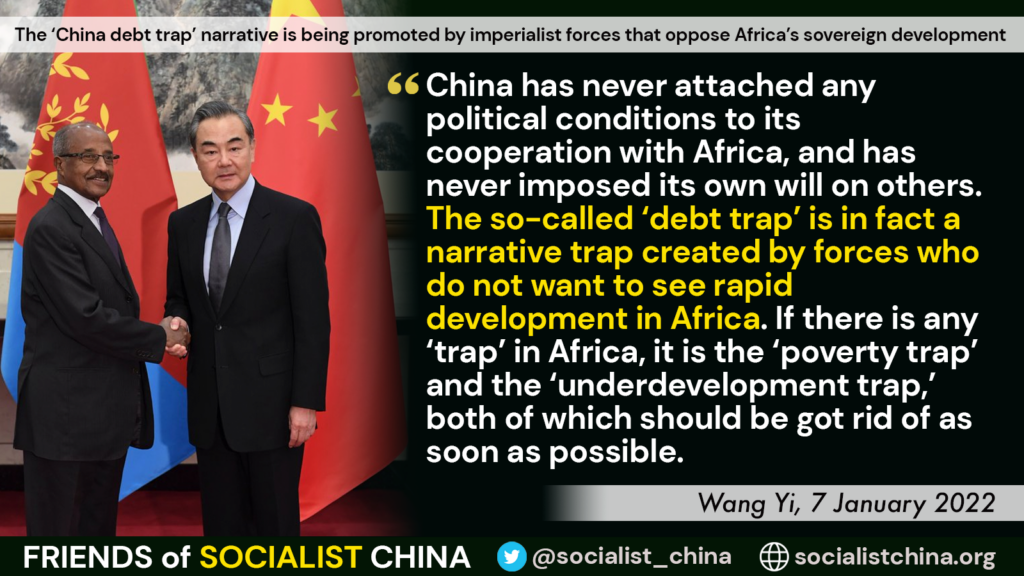
Wang Yi: The ‘China debt trap’ narrative is being promoted by imperialist forces that oppose Africa’s sovereign development

Continuing a tradition of 32 years, the Chinese foreign minister’s first external trip of the year is to Africa. Wang Yi has been in Eritrea, Kenya and Comoros, cementing the longstanding relationship of friendship and solidarity between China and the peoples of the continent. Speaking in Nairobi, he referred to the accusation – popular in the West – that China is trapping African countries in debt:

China has never attached any political conditions to its cooperation with Africa, and has never imposed its own will on others. The so-called ‘debt trap’ is in fact a narrative trap created by forces who do not want to see rapid development in Africa. If there is any ‘trap’ in Africa, it is the ‘poverty trap’ and the ‘underdevelopment trap,’ both of which should be got rid of as soon as possible.

Xinhua: Chinese FM refutes “debt trap” allegation in China-Africa cooperation

One virus, two systems: contrasting approaches in socialist China and capitalist United States

We are pleased to reproduce this detailed comparison by Rosa Astra and Benjamin Zinevich in Liberation News of the Covid-19 containment measures taken by China and the US. The article describes the decisive steps taken by the Chinese government to suppress the pandemic; debunks the various ‘cover-up’ conspiracy theories; and contrasts the US’s disastrous failure to manage the pandemic with what has been achieved in China – “a system that values human lives over corporate profits”.

As the Omicron variant causes record levels of infection in the United States, the end of the pandemic seems as far away as ever. But far from preparing a robust response to defeat the virus, the Biden administration is preparing to surrender and encourage the public to “learn to live with” COVID indefinitely. 

When the Party for Socialism and Liberation pointed out the fact that China has in fact succeeded at virtually eliminating deaths from the virus, we were attacked by far-right pundits like Ben Shapiro – who took the position that such a feat is essentially impossible and asserted that China’s achievement was just a massive falsification. 

In the United States, which has seen more deaths from the disease than any other country on Earth, there were 476,863 new deaths in 2021, up from 370,777 in 2020.[1] However, it is in fact widely accepted that only two people died of the disease in China in 2021 on the mainland, plus 64 deaths in the Hong Kong Special Administrative Region and 843 in Taiwan (where the central government of China does not exercise control) – according to the Johns Hopkins University Center for Systems Science and Engineering COVID-19 Data Repository.[2] This brings China up to a total of 4,636 deaths in the mainland and 5,699 deaths overall since the beginning of the COVID-19 epidemic, most of which occurred in the first few months of 2020.

Continue reading One virus, two systems: contrasting approaches in socialist China and capitalist United States

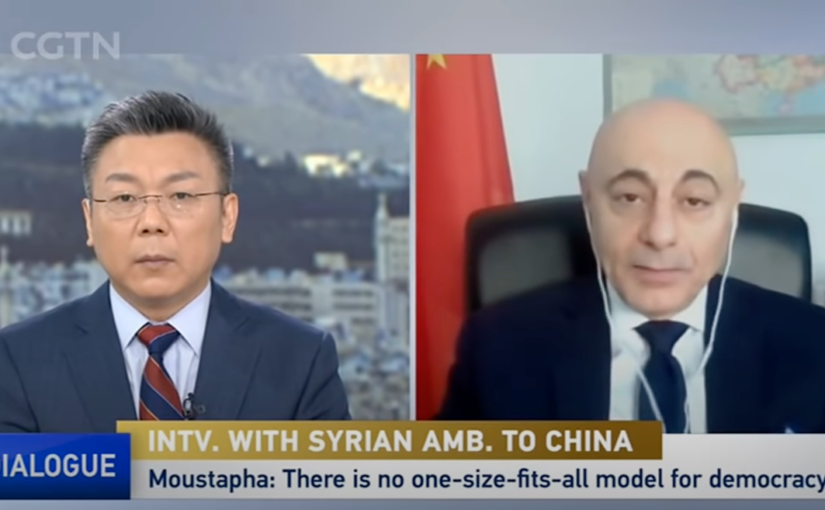
Syrian ambassador: China’s progress is a threat to US domination

We are very pleased to make available this edition of CGTN’s Dialogue, in which Xu Qinduo conducts an extensive interview with His Excellency Imad Moustapha, Ambassador of the Syrian Arab Republic to China, in the year that sees the 66th anniversary of diplomatic relations between the two countries as well as the 11th year since the outbreak of the imperialist-inspired crisis in Syria.

In this wide-ranging dialogue, Ambassador Moustapha highlights the difference between China’s whole process people’s democracy and the type of democracy that exists in the United States and other major capitalist countries. The former, he explains, is from the people and for the people, whilst the latter is for the 1% and by the 1%. This in turn, he continues, has its roots in the USA’s origins in the genocide of Native Americans, its development through chattel slavery and its sustenance through continuous wars of aggression.

Continue reading Syrian ambassador: China’s progress is a threat to US domination

Wang Wenbin on US state terrorism and the assassination of Qasem Soleimani

The assassination of Qasem Soleimani is another example of how the US has wantonly undermined the norms governing international relations based on the UN Charter. It is also a war crime. The US could go so far as to perform the ‘targeted killing’ of a sovereign state’s military leader, on top of killing hundreds of thousands of innocent civilians around the world. All these illegal and brutal acts have been hidden by the US behind the facade of the ‘rules-based international order’. Facts have proved time and again that what the US really cares about is no more than the rules that meet its needs and serve its interests. What it is committed to is nothing but an order that maintains the US’s hegemony and enables it to override the international community. But such rules and order that violate international law will not be accepted by the people in Iran, the Middle East and the rest of the world.

Foreign Ministry Spokesperson Wang Wenbin’s Regular Press Conference on January 4, 2022

Xi’s 2022 New Year Address: 2021 a year of exceptional significance

We are pleased to republish this succinct summary by Christopher Helali, international secretary of the Party of Communists USA, of President Xi Jinping’s inspiring New Year address. The article was first published on CGTN.

As 2021 comes to an end, Xi Jinping, China’s president and general secretary of the Central Committee of the Communist Party of China (CPC), delivered a hopeful and significant 2022 New Year Address to the Chinese nation and the world.

In his optimistic address, Xi outlined the historic achievements made by the Chinese nation and its people in 2021. Even with the difficulties posed by the ongoing COVID-19 pandemic and the increasing international tensions, the Chinese people under the leadership of the CPC have shown the path forward for the nation.

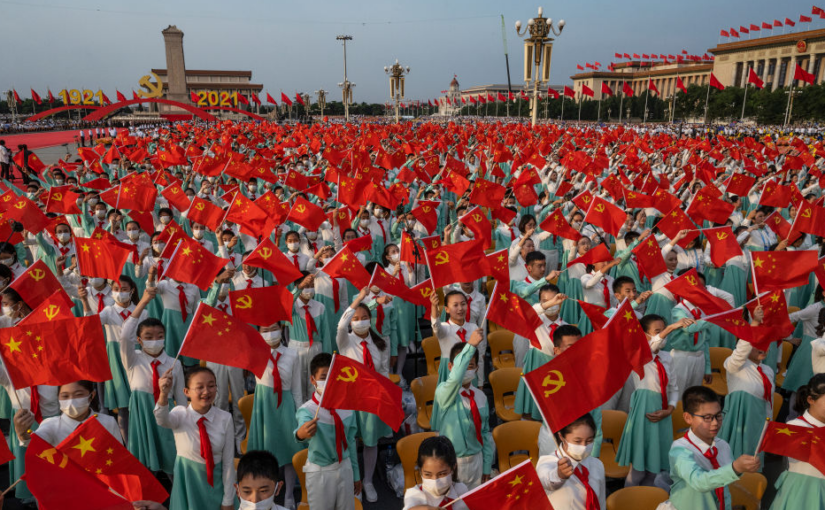
The historic achievements of 2021 center on the monumental accomplishments achieved by the Chinese people and nation in the 100-year journey of the CPC. In 2021, the CPC celebrated its centenary anniversary, becoming one of the oldest and the largest political parties in terms of membership in the world. Under the leadership of the CPC, the Chinese people were able to throw off the yoke of colonialism and destroy the vestiges of a feudal society which impoverished the people.

Continue reading Xi’s 2022 New Year Address: 2021 a year of exceptional significance

Xi’an’s Covid response: Preserving human life is preserving freedom

This article by Keith Lamb, originally published in CGTN, counters the Western media’s critique of China’s Zero Covid strategy and of the comprehensive virus suppression measures currently being enforced in the city of Xi’an. The author points out that the Covid death rate in the US has been almost a thousand times as high as in China; on that basis it would surely be appropriate to learn from China’s experience and to cooperate with it in tackling the pandemic.

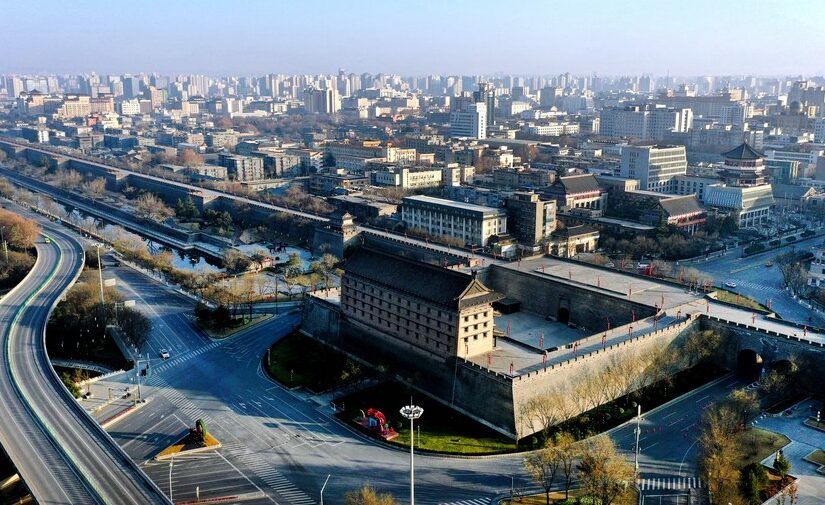
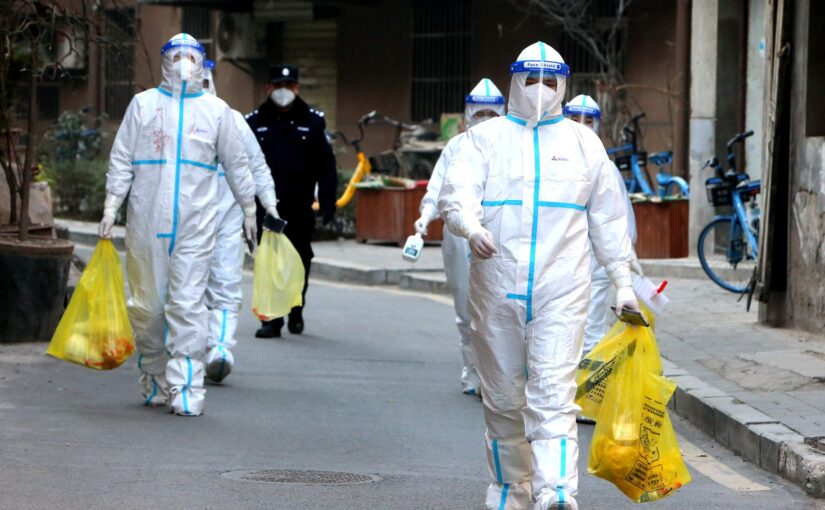
With the total number of new COVID-19 cases since December 9 reaching 1,573 in Xi’an, capital of Shaanxi Province, local and central government, backed by voluntary citizen support, are doing everything in their power to extinguish the epidemic. China’s Vice Premier Sun Chunlan has advocated for decisive and resolute measures to curb the outbreak, and, in response, the local government has backed up her words with concrete action.

With all of Xi’an’s approximately 13 million residents under lockdown, supply chains have been kept efficient to ensure that essential items such as food and medicine are available to all, especially those in need. Ten medical teams and a 24-hour hotline provide treatment to those isolated. Donations of food and supplies are not just pouring in from neighboring local governments but private citizens too.

Continue reading Xi’an’s Covid response: Preserving human life is preserving freedom

Zhang Tailei: ‘Thunderstorm’ of China’s revolution

In this paper, presented at the Fifteenth Forum of the World Association for Political Economy (WAPE), held 18-19 December 2021 at the Shanghai International Studies University and online, John Riddell introduces the life of an early pioneer and martyr of the Chinese revolution, honoured in his own country, but who deserves to be better known internationally. John, a lifelong socialist activist, is the founding editor of the Comintern Publishing Project and probably the foremost contemporary scholar of the early Communist International (Comintern) working in the English language. He has translated and edited numerous volumes of Comintern proceedings. We are grateful to him for making his paper available to us.

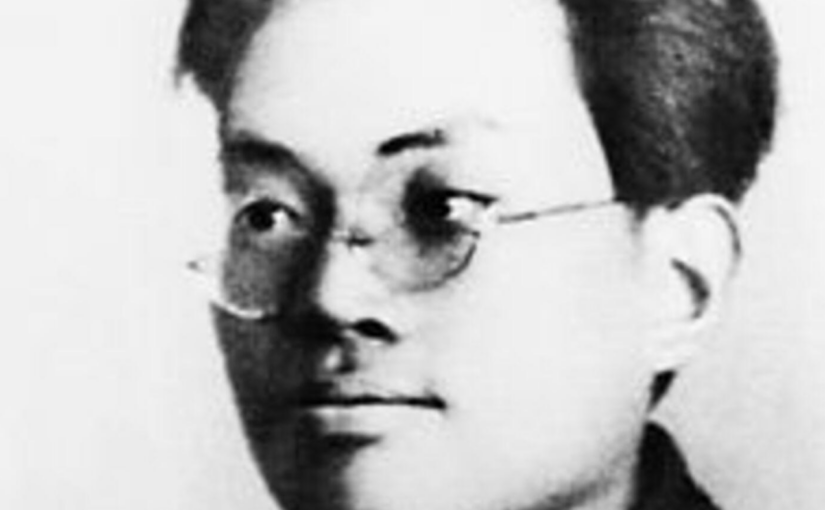
To understand the rise of China, it is helpful to get acquainted with the life and work of lesser-known figures who contributed to the liberation struggle. Such an activist is Zhang Tailei (1898–1927), whom I learned of while translating the proceedings of a global Communist congress held in 1921.[1] Little documentation on Zhang is available in the West. This brief sketch aims to highlight his main achievements; I hope it may help lead us to an account based on fuller access to Chinese sources.

Among the early leaders of the Communist Party of China (CPC), Zhang Tailei was one of the first to propose unity in action of diverse political forces to defend China against aggression by the imperialist powers. Zhang was a respected leader not only of his party but also of a world revolutionary association, the Communist International.[2]

Continue reading Zhang Tailei: ‘Thunderstorm’ of China’s revolution

New Year address by President Xi Jinping

We reprint here President Xi Jinping’s New Year Address for 2022 delivered from Beijing on New Year’s Eve. In direct and vivid language, the Chinese President succinctly covers a broad canvas ranging from nature to sports to space exploration. He reflects on the great achievements of an extraordinary year that saw the centenary of the founding of the Communist Party of China and the adoption of a major resolution on party history:

Standing on the Tian’anmen Rostrum, one could only marvel at the extraordinary journey traveled by this major Party, a journey of Chinese Communists leading the Chinese people, in their hundreds of millions, in an unyielding struggle against all obstacles and challenges, and scoring spectacular, epoch-making achievements over the past century.

China’s historic victory over extreme poverty was naturally another major theme. As a seasoned Marxist, in his Address, Comrade Xi integrated the general with the particular on the basis of the mass line:

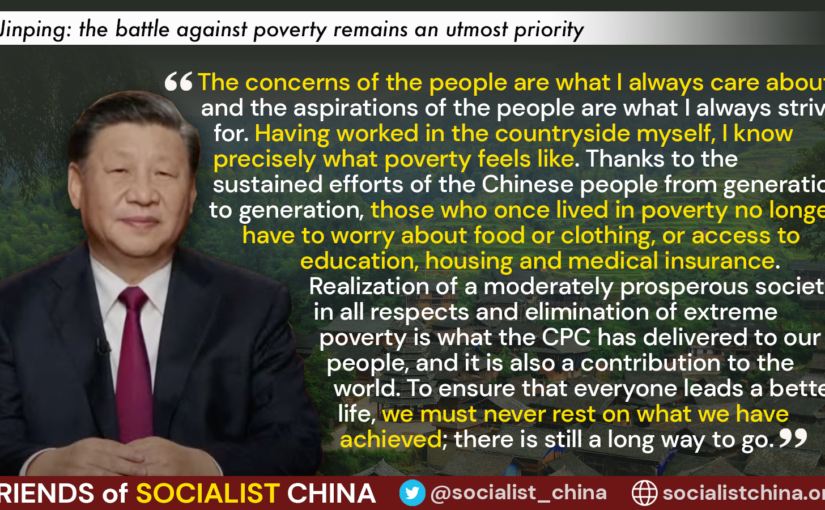
The myriad of things we attend to all boil down to matters concerning every household… The concerns of the people are what I always care about, and the aspirations of the people are what I always strive for.

Reviewing his country’s signal contribution to the global battle against Covid-19, the Chinese President noted:

Only through unity, solidarity and cooperation can countries around the world write a new chapter in building a community with a shared future for mankind.

Embedded below the text is CGTN’s video version of the speech, with English subtitles.

My greetings to you all. The year 2022 is approaching. From Beijing, I extend New Year wishes to all of you!

The past year has been a year of exceptional significance. We have lived through landmark events in the history of our Party and our country. At the historical convergence of the Two Centenary Goals, we have set out on a new journey of building a modern socialist country in all respects and are making confident strides on the path toward the great rejuvenation of the Chinese nation.

Continue reading New Year address by President Xi Jinping

Radhika Desai: The pandemic has turned out to be a tale of two systems

This insightful article by Radhika Desai, originally published in CGTN, seeks to understand why the advanced capitalist countries – particularly the most neoliberal and financialized ones – have performed so poorly in the face of Covid-19; and why socialist countries have done so much better.

As the world marked the second International Day for Epidemic Preparedness (IDEP) on December 27, 2021, nothing is clearer than the world’s richest and most powerful countries’ un-readiness before the pandemic. The highly transmissible Omicron was causing flight delays and cancellations by infecting flight crews, especially in the U.S.

Why are the richest countries doing so badly against the virus? It is not just that they have hogged available vaccine supply, giving second and third doses, while the virus rages and mutates elsewhere. It is not just that they have left China to donate 600 million vaccine doses to Africa even as the U.S. leads a new Cold War with it, dividing the world, rather than participating in any united world effort against the pandemic.

The fact is that the pandemic has turned out to be a tale of two systems. The world’s richest countries, led by the most neoliberal and financialized ones, the U.S. and the UK, have performed abysmally while socialist countries, led by China, have performed far better.

Continue reading Radhika Desai: The pandemic has turned out to be a tale of two systems

Theoretical and practical innovations in regard to party diplomacy of the Communist Party of China

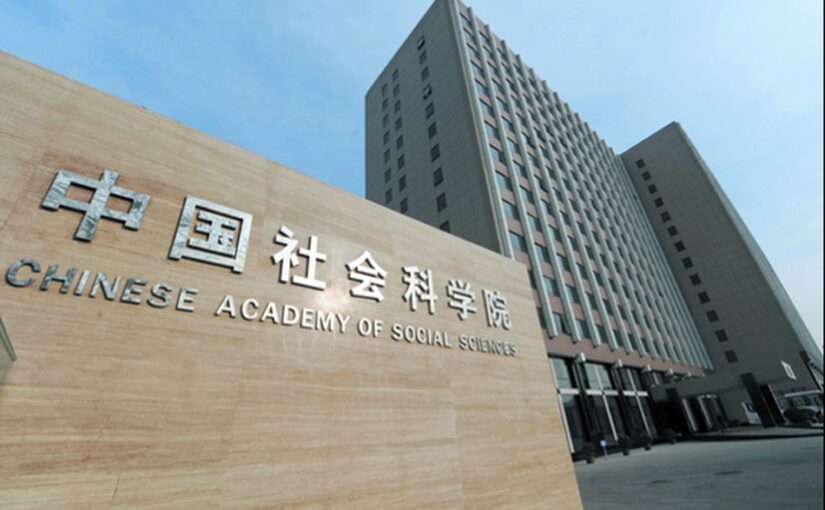
We are very pleased to be able to make available this important paper by Pan Jin’e, Director and Professor of the International Communist Movement Research Department of the Academy of Marxism, Chinese Academy of Social Sciences (CASS). It was delivered at the Cloud International Workshop on “New Forms of Human Civilization from a World Perspective,” held by the School of Marxism, Dalian University of Technology (DUT), 29-31 October 2021. In his paper, Professor Pan outlines the development of the CPC’s international relations through different historical periods, relating it both to the situation in China and the world as well as to Marxist-Leninist theory. We are grateful to the DUT Translation Team for their work as well as to Professor Roland Boer for his meticulous sub-editing.

Party Diplomacy’s Significant Contributions to the Creation of A New Form of Human Civilisation: Theoretical and Practical Innovations in Regard to Party Diplomacy of the Communist Party of China

Xi Jinping, General Secretary of the Central Committee of the Communist Party of China (CPC), commented in his speech at the ceremony marking the CPC’s 100th anniversary that socialism with Chinese characteristics has created a new form of human civilisation: “We adhere to and develop socialism with Chinese characteristics, promoting the coordinated development of material, political, spiritual, social and ecological civilisations, and thereby creating a new path of Chinese-style modernisation and a new form of human civilisation.”[1] These “five civilisations” are not only a profound summary of the development of socialist civilisation with Chinese characteristics, but also an important connotation of the “new form of human civilisation.”

Continue reading Theoretical and practical innovations in regard to party diplomacy of the Communist Party of China

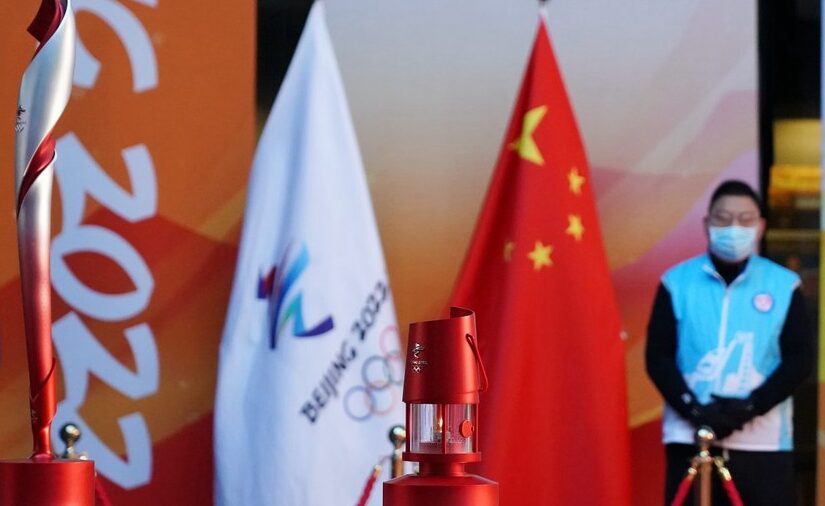
Elias Jabbour: Boycotts, hypocrisy and the organic intellectuals of imperialism

In this important article for CGTN, Elias Jabbour discusses the so-called ‘diplomatic boycott’ by some Western countries of the Beijing 2022 Winter Olympics, explaining that the boycott forms part of a set of behaviours and slanders that are designed to delegitimise China’s government and to prepare public opinion in the West for further attacks on China. He notes that, sadly, some pseudo-Marxist intellectuals in Europe and North America are participating in this imperialist Cold War project.

It was early December when breaking news took the political and diplomatic circles around the world by surprise: the United States has declared a so-called “diplomatic boycott” of the Beijing 2022 Winter Olympics.

According to U.S. government spokeswoman Jen Psaki, the country would not treat the Olympics as something normal given the “atrocities” in Xinjiang Uygur Autonomous Region. As expected, England and Canada announced something similar later. Same posture Australia. Repeat a lie a thousand times and it becomes the truth?

Since then, EU countries have been pressured to take a similar stance, but for the time being, only Belgium has followed this lead, and in Latin America, there are no signs in this direction. As symbolic as this act can be, it is interesting to note the degree of isolation of U.S. imperialism in countless initiatives.

We must read this attitude in different ways. This “boycott,” although isolated and almost symbolic, is serious. The U.S. doubles its bet on the proliferation of lies for political purposes with a view to delegitimizing the government of the People’s Republic of China in the international community while continuing yet another colonial war.

Let us be under no illusion. What the U.S. plots against China is a colonial war with the purpose of subjugating the country to an order based on violence, blind obedience and punitive wars, applied to those who dare to leave the radar of imperialism’s control. As for the accusations of “genocide” in Xinjiang, the facts show that what we are seeing is an old policy, very similar to what was used by the Nazi propaganda machine. A simple survey is enough to demonstrate that, in reality, these charges are fallacies.

For example, one of the accusations is that China has a policy of mass sterilization, which would have seen the Xinjiang Uygur’s population falling from 15.5 births per thousand to 2.5 per thousand. However, according to the seventh national census report released in May, the Han population growth rate was 4.93 percent, while China’s ethnic minority population increased by 10.26 percent compared to 2010.

Specifically, the population of ethnic minorities in Xinjiang has grown by 14.27 percent in that same period. It is also good to remember that the birth control policies implemented in the early 1980s were not applied to Chinese ethnic minorities.

Another lie concerns the alleged “cultural genocide” preventing Uygur Muslims from freely practicing their religion, including restrictions on the use of their typical clothes and violation of mosques.

However, Xinjiang has more than 24,000 mosques, an average of 530 Muslims per mosque. This number is more than double the total number of existing mosques in the U.S., Britain, Germany and France. On the other side, in the name of “democracy” and “human rights,” U.S. soldiers looted relics from the Historical Museum of Baghdad in 2003.

For that, it is clear that this “boycott” is not supported by data, but by lies and a sea of hypocrisy. The deep contradictions of U.S. society, which was born under the combination of slave labor and reactionary ideologies that support theses such as “indispensable nation,” “manifest destiny” and “New Canaan,” are known by many.

The human rights situation is dire to the point that a 2021 national poll by researcher John Zogby found that 46 percent of the U.S. population believed that a future civil war was likely, another 43 percent thought it was unlikely and 11 percent were unsure.

War seemed more likely for young people (53 percent) than for older ones (31 percent), and for those residing in the South (49 percent) and Central/Great Lakes region (48 percent) compared to those in the East (39 percent).

Meanwhile, a real disaster is taking place in the country with the death of more than 817,000 people by COVID-19. Right-wing ideologies twist the minds of about half of the country’s population by spreading scientific denial, racism and hate crimes against blacks, Latinos and other minorities.

Finally, the new feature of this attempt of a “diplomatic boycott” is the strong resurgence of intellectuals within the so-called progressive camp at the service of the demoralization of socialist experiences.

This was something very common during the Cold War, and was usually due to the co-option, by imperialism, of European Marxist intellectuals, that were induced to criticize the former Soviet Union. Now, there are figures like the philosopher Slavoj Zizek, signatory of a petition pressing the French government to “boycott” the Winter Olympics.

The cultural war against China involves the mobilization of “intellectuals” to criticize China. History repeats itself, but now as farce.

China’s ‘dynamic Zero Covid’ policy remains a model for the world

This article from Danny Haiphong, first published in CGTN, discusses key recent developments in the Covid pandemic, including the emergence of the Omicron variant and the announcement of a lockdown in the Chinese city of Xi’an. Danny notes that China’s strategy of early detection, mass testing, quarantine and properly-supported lockdowns continues to represent a model of a people-first approach to managing the pandemic.

The Omicron variant represents another troubling chapter in the COVID-19 pandemic. Countless travel plans have been canceled as scientists and infectious disease experts attempt to gain a greater understanding of the latest variant. In the United States, shortages in tests and healthcare workers have placed immediate strains on society. Forecasts for global economic growth have become less optimistic.

Bloomberg magazine, a U.S. media outlet known for its anti-China bias, recently admitted that China’s “dynamic zero-COVID” policy has been an effective measure against the pandemic. The report stated that China’s average daily COVID-19 cases would rise to 637,155 if the country adopted a U.S.-style approach to the pandemic. Bloomberg quickly changed the subject to more anti-China talking points and avoided any elaboration on the factors for China’s success against COVID-19.

Bloomberg repeated a trend in U.S. media which either ignores the success of the “dynamic zero-COVID” policy or calls it “authoritarian.” This has come at a great cost to the people of the United States and Western countries, who have suffered the worst consequences of the pandemic. Yet the U.S. and Western media have taken part in endless speculation about China’s policy to deflect from the failed COVID-19 responses of their own nations.

The truth is that China has by far been the most successful in protecting human life over the course of the pandemic. China has experienced three deaths per million in the population from COVID-19. The United States, which leads the world in the total number of COVID-19 cases and deaths to the pandemic, averages more than 2,400 deaths per million in the population.

U.S. and Western media have claimed China’s policy cannot be emulated in so-called free and democratic societies. China is accused of irrationally attempting to prevent transmission entirely, the costs of which are too high for Western societies that prioritize the economy over the health of the public.

This is problematic for several reasons. First, China’s strategy does not seek to eliminate transmission entirely but rather to reduce the human and economic costs of the pandemic as quickly and effectively as possible.

Second, the depiction of China’s “dynamic zero-COVID” policy as “irrational” and detrimental to the economy ignores the fact that Western economies have experienced the harshest economic fallout from the pandemic. U.S. economic growth had only begun to catch up to a 2 percent GDP year-on-year average growth in recent months before Omicron reignited economic uncertainty. China was the fastest major economy to achieve growth amid the pandemic and, according to World Bank estimates, is set to grow at two to three times the rate of the United States in 2022. Clearly, China’s “dynamic zero-COVID” policy has taken economic development into account from the very beginning.

Perhaps the most troubling aspect of the U.S. and Western rejection of China’s “dynamic zero-COVID” policy is that it reflects how effectively misinformation has spread within societies that have adopted a wrongheaded, anti-China political agenda. The United States, for example, was wracked with such high levels of distrust in both the government and healthcare system that an “infodemic” took hold very early on in the pandemic. Former President Donald Trump only aided in spreading misinformation about the pandemic by blaming China for the U.S.’s woes and frequently employing the term “China virus” during his briefs to the country. Current President Joe Biden has done little to increase confidence in the U.S.’s capacity to protect human life beyond a change in rhetoric.

Misinformation has only worsened social fractures in the U.S. and West and weakened already threadbare public health systems. Under such circumstances, China’s “dynamic zero-COVID” policy remains an important model for the world. China’s policy focuses on rapidly addressing outbreaks and establishing long-term strategies for pandemic control and containment. The policy is currently being employed in the city Xi’an, which was placed under lockdown as of December 23 following an outbreak of the Delta variant. Residents have undergone several rounds of mass testing, schools have closed, and local authorities have coordinated with all sectors of society to ensure people have their basic needs met.

China’s “dynamic zero-COVID” policy has been a consistent example of a people-first approach to the pandemic amid a period of global uncertainty. According to chief epidemiologist at China’s Center for Disease Control and Prevention Wu Zunyou, the policy has protected 950,000 Chinese lives over the course of the pandemic. This is nothing short of a miracle. U.S. and Western observers would thus benefit from taking an unbiased view of China’s “dynamic zero-COVID” approach rather than the politicized orientation that has been adopted by the media and political establishment.

Health care for profit is more deadly than Covid-19

We reproduce below a valuable article from Workers World contrasting the response of the socialist and capitalist countries to the coronavirus pandemic. The author observes that the success of China, Cuba and others in suppressing the virus can be attributed to a political and economic system based on the interests of the people rather than the protection of private profit.

The ominous toll of 800,000 deaths from COVID-19, reached in the U.S. Dec. 14, confirms that health care for profit is more deadly than the virus itself. The U.S. has consistently had the most COVID-19 deaths of any country. (tinyurl.com/3nunmuv7

Since the omicron variant surfaced here Dec. 1, infection rates have jumped off the charts with 193,305 new cases on Dec. 17. The CDC (U.S. Centers for Disease Control and Prevention (CDC) forecasts more than 1 million new COVID-19 cases during Christmas week. (tinyurl.com/sjy4ch2k

Yet China, where COVID-19 was first identified and brought under control, has had no deaths from COVID-19 in 2021. This fact alone confirms that a scientific approach with fully accessible health infrastructure, universal vaccination and national coordination at every level is decisive.

Continue reading Health care for profit is more deadly than Covid-19

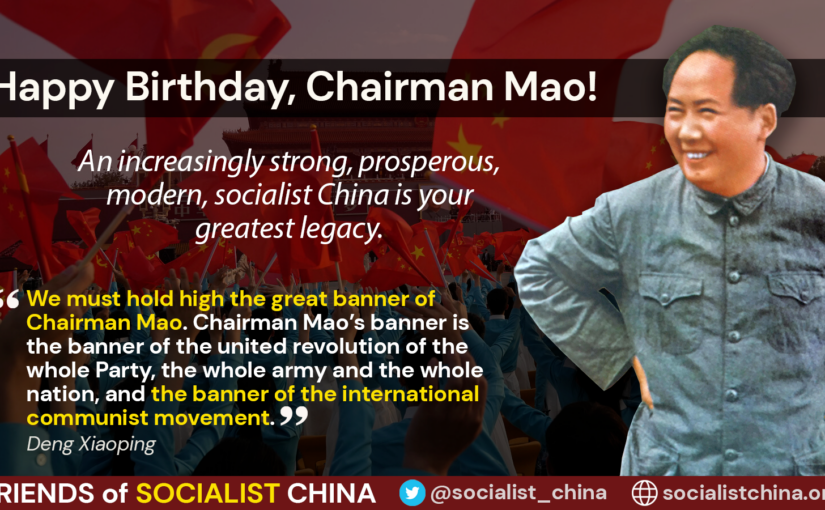
Happy Birthday Chairman Mao

An increasingly strong, prosperous, modern, socialist China is your greatest legacy.

We must hold high the great banner of Chairman Mao. Chairman Mao’s banner is the banner of the united revolution of the whole Party, the whole army and the whole nation, and the banner of the international communist movement.

Deng Xiaoping

Zhao Lijian: US democracy is based on an inextricable link between wealth and power

American-style democracy has become a money game for the rich. The 2020 US presidential and congressional elections cost as much as $14 billion. US politicians make promises in exchange for electoral funding and spend a fortune on publicity. When in office, the politicians engage in corruption considered legitimate by openly exchanging power for money through lobbying and political donations. When their term ends, they would smoothly move from political circles to business sectors through the ‘revolving door’. Such whole-process corruption with no missing link is strictly punished in other countries. It is contemptible that corruption is legitimized and openly practiced in the US.

Foreign Ministry Spokesperson Zhao Lijian’s Regular Press Conference on December 22, 2021